
 EN
EN
 AR
AR
 BG
BG
 HR
HR
 CS
CS
 DA
DA
 NL
NL
 FI
FI
 FR
FR
 DE
DE
 EL
EL
 HI
HI
 IT
IT
 JA
JA
 KO
KO
 NO
NO
 PL
PL
 PT
PT
 RO
RO
 RU
RU
 ES
ES
 SV
SV
 TL
TL
 ID
ID
 LT
LT
 SK
SK
 UK
UK
 VI
VI
 SQ
SQ
 GL
GL
 HU
HU
 TH
TH
 TR
TR
 FA
FA
 MS
MS
 GA
GA
 IS
IS
 MK
MK
 EU
EU
 KA
KA
The Key Components of a Reliable Pre Rig Truss System
Anatomy of a Pre Rig Truss System
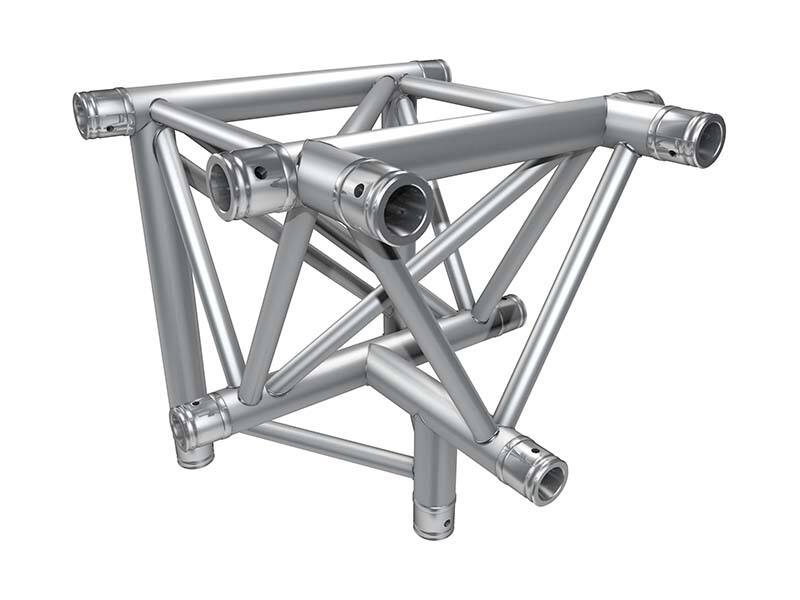
Main Chords and Load-Bearing Tubes
Main chords form the foundation of any pre-rig truss setup, acting as those key parts that hold everything together while bearing all the weight. They basically transfer stress straight into those load bearing tubes, something really important for keeping the whole truss stable and intact over time. Engineers need to get how these main chords interact with the load bearing tubes if they want their structures to perform well under pressure. Choosing materials isn't just about picking whatever works either. The right material needs to strike that sweet spot between being strong enough but not too heavy. Getting this right means less need for extra overhead supports during installation, making the whole process faster and easier when putting up the truss system in real world conditions.
Rungs and Diagonal Braces
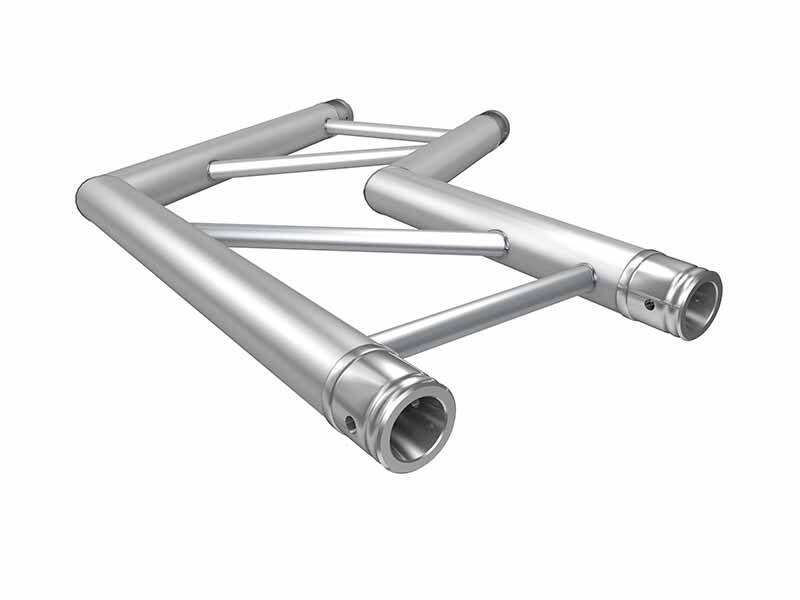
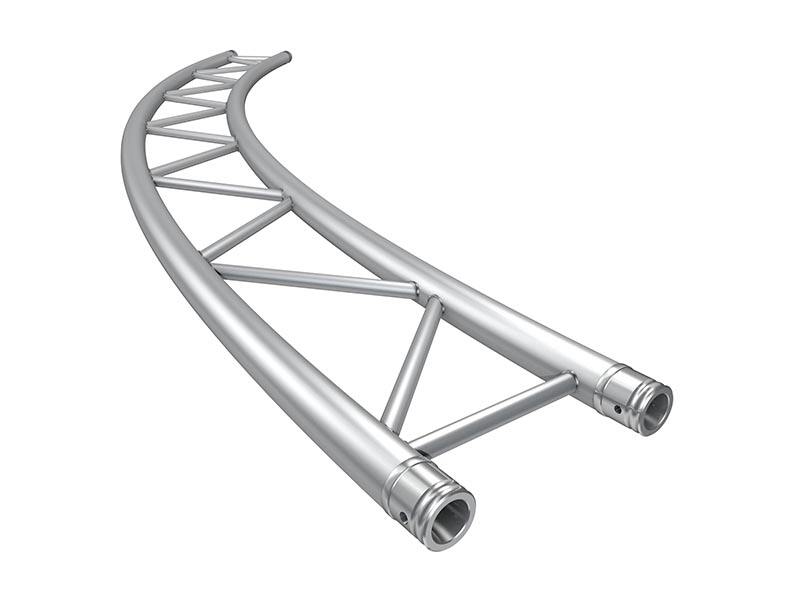
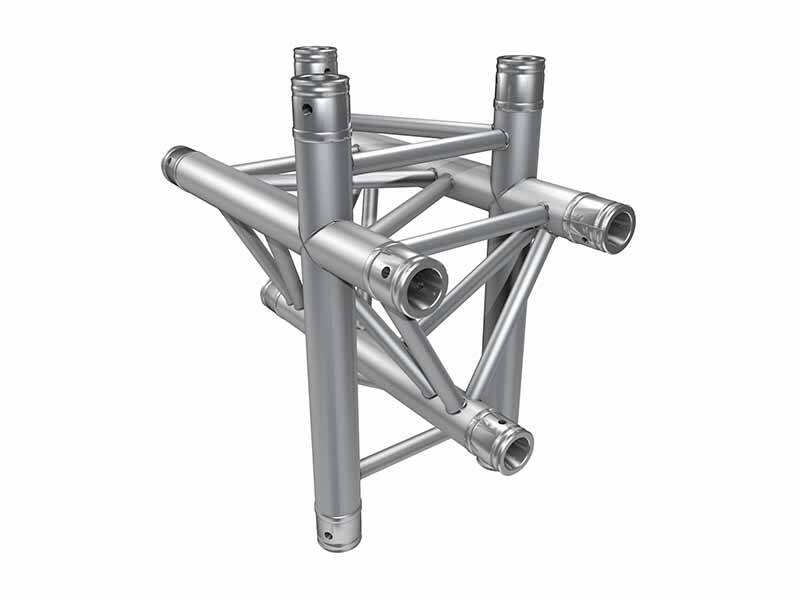
The rungs in a truss system matter a lot because they create paths where extra support can be added, which makes the whole rig more stable. These horizontal metal pieces link up the main parts of the truss at set distances, kind of like how rungs hold together a ladder, and this helps keep everything connected properly. The diagonal braces are different though. They're thinner metal rods that cross each other in a zigzag fashion across the truss. This arrangement stops things from shifting sideways when forces act on the structure, so it maintains its intended form even when weight changes. Getting the positioning right for both rungs and braces affects how weight spreads throughout the structure, and following the design plans is absolutely necessary for safety reasons. Nobody wants accidents caused by poor construction practices after all.
Node Points and Structural Connections
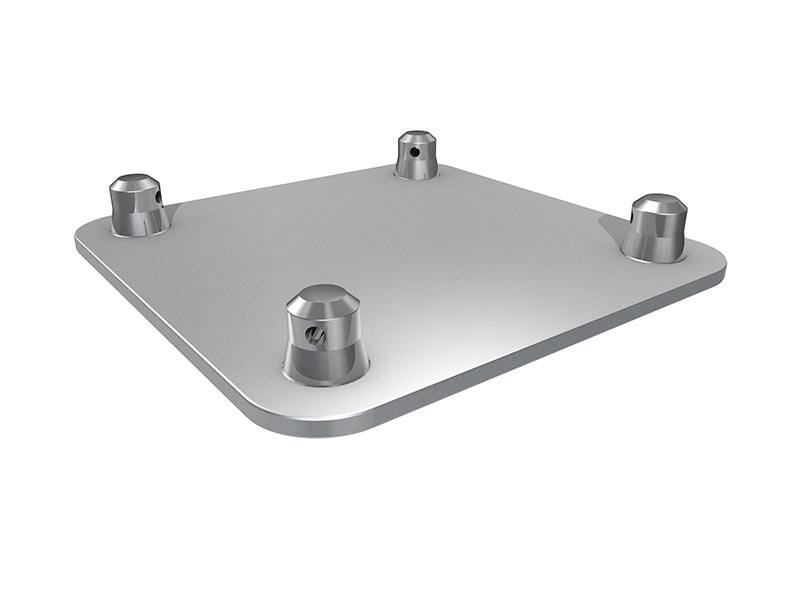
The nodes in a truss structure serve as key anchor points where different components connect together. These junctions play a major role in moving weight through the entire framework, which affects everything from basic stability to how well the structure handles stress during normal operation. Getting these connections right matters a lot because they determine whether loads get distributed properly or start causing problems somewhere else in the system. Good node design actually makes structures last longer since it stops failures when too much weight gets applied in one spot or when forces aren't balanced correctly. When engineers really focus on where these nodes go and what materials they use, trusses tend to perform better over time and require fewer repairs down the road.
Material Considerations: Aluminum vs. Steel
Durability and Weight Advantages of Aluminum
Aluminum gets a lot of love because it's so light, which makes it great for truss systems that need to be moved around easily. Even though it doesn't weigh much, good engineering means aluminum can hold up pretty well under pressure without falling apart. The fact that something can be both light and strong really matters when setting things up quickly becomes important. Think about all those concert stages or trade show displays that get assembled and taken down repeatedly. For these kinds of situations, aluminum just works better than heavier materials would.
Steel Components for Heavy-Duty Applications
When building things that need to hold heavy loads, steel parts are often the go to choice because they just plain hold up better than most materials out there. Whether it's something simple like a shelf bracket or something massive like bridge supports, what matters most is figuring out if steel really needs to be part of the equation based on what the job requires. Take concert venues for instance. We've seen plenty of situations where temporary stages made with proper steel framing stayed solid through thousands of people jumping around while cheaper alternatives would have collapsed under similar conditions. Looking at these real world examples helps engineers make smarter decisions about when and how to use steel components so projects stay safe and functional without going overboard on material costs.
Corrosion Resistance and Longevity
Aluminum stands out because it naturally resists corrosion, making it last much longer when truss systems are left outside for things like festivals or concerts. Steel isn't so lucky. It needs special coatings or treatments just to stand up against rust, which means extra work and money spent on maintenance down the road. When looking at how long materials actually last, aluminum typically wins out. Maintenance happens less frequently and costs less overall compared to steel alternatives. That makes aluminum not only better for durability but also more economical in the long run for event organizers dealing with weather exposure.
Load Capacity and Structural Integrity
Understanding UDL, CPL, and TPL Load Distributions
Knowing about various load distributions like Uniformly Distributed Load (UDL), Concentrated Point Load (CPL), and Total Point Load (TPL) makes all the difference when it comes to creating rigging systems that actually work and stay safe. With UDL, the weight spreads out evenly along the whole rig length. CPL means most of the weight lands right at certain spots, whereas TPL deals with several heavy points scattered around. Getting this straight lets engineers build truss systems that pass safety checks and function properly in real conditions. When planning out a setup, proper calculation of expected loads is absolutely essential. If someone misses this step, they risk putting too much stress on components, which can lead to serious problems down the line with both safety and how well everything performs under pressure.
Deflection Limits and Span-to-Load Ratios
The amount a truss can bend without becoming unsafe or losing its function depends heavily on deflection limits. These limits basically tell engineers when a truss might start failing if pushed too far. When looking at load conditions, these boundaries help keep things standing upright instead of collapsing. The span-to-load ratio matters quite a bit too when picking out materials and putting everything together, since it affects how well the whole rig will perform. Most engineers run computer simulations to check these ratios, seeing exactly what happens to the truss when forces change suddenly during events. Testing isn't just some formality either it really helps figure out if the structure can handle all those unexpected stresses that come up during big shows or installations where nothing goes according to plan.
Third-Point and Quarter-Point Rigging Configurations
Third point and quarter point rigging setups form key approaches for spreading loads evenly throughout truss systems. When using third point rigging, there's less bending stress on the truss itself, which means weights get distributed more evenly across the structure. Quarter point arrangements work differently but still important they help maintain balance from side to side, making the whole setup sturdier. Most engineers run simulations called finite element modeling when looking at these different rigging options. These computer models let them see what works best before actually putting things together on site. This kind of analysis gives riggers a heads up about potential issues that might come up during concerts, trade shows or any large scale event where proper load management is critical for everyone's safety.
Compliance with Safety Standards (ANSI E1.2)
ANSI E1.2-2021 Certification Requirements
Getting familiar with what the ANSI E1.2-2021 certification actually requires matters a lot for manufacturers and professionals involved in rigging work. The standard basically makes sure that all those aluminum trusses, towers, plus whatever else goes along with them in the entertainment sector meet certain safety rules. When companies follow ANSI E1.2 guidelines, they're doing more than just keeping things safe they're building trust too. Clients tend to gravitate toward businesses that display proper compliance on their websites or marketing materials because it signals reliability. We've seen time and again how clients specifically ask for proof of these certifications before signing contracts for large events or installations where safety is absolutely critical.
CE/UKCA Marks and Quality Assurance
The CE and UKCA markings serve as important signals of product quality and regulatory compliance across Europe and the United Kingdom. When a product carries these marks, it basically means it has passed through strict safety requirements set by authorities, making it easier for companies to sell their goods while building consumer confidence. Getting certified involves quite a process for manufacturers though. They need to undergo periodic inspections and implement thorough quality control measures to make sure truss systems stay safe over time. Maintaining these standards isn't just paperwork either. Companies that stick with proper certification practices tend to see better business results in the long run, since customers know they can rely on the products meeting international safety expectations.
Regular Inspections and Load Testing Protocols
Keeping truss systems safe and structurally sound requires regular checks and strict load tests throughout their lifespan. When engineers actually look at how much weight these structures can handle in real situations, they spot problems before they become disasters. Take a peek at what top firms do for their inspection routines and there's gold in those methods for staying compliant with all the safety rules. Beyond just ticking boxes on paperwork, this kind of hands-on maintenance builds confidence among everyone involved in construction projects where lives literally depend on those metal frameworks holding everything together.
Rigging Best Practices and Maintenance
Proper Sling Attachment Techniques
Getting the hang of how to attach slings correctly matters a lot when it comes to making sure everything stays connected safely during rigging work. When people get this wrong, things can go really bad fast - think broken equipment, injuries on site, maybe even worse. That's why most companies now invest time into teaching their staff properly. Good training isn't just about watching videos or reading manuals; it needs actual practice sessions where workers handle different types of loads under supervision. The best programs combine theory with real world scenarios so folks actually remember what they learned when faced with tricky situations out there on the job site.
Carabiner and Bow Shackle Safety Guidelines
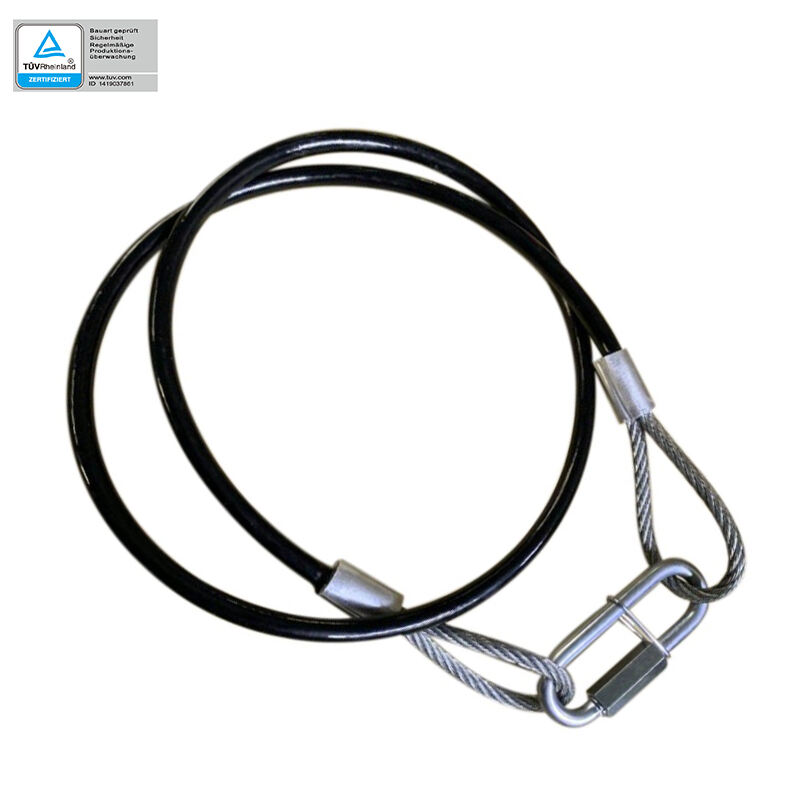
Sticking to what manufacturers recommend when using carabiners and bow shackles isn't just good practice it's absolutely critical if we want to avoid serious problems on site. These pieces form the backbone of any safe rigging setup, so messing around with them can spell disaster for everyone involved. When we train our crew, we stress these rules over and over again because nobody wants to be responsible for an accident caused by improper gear handling. We also run regular checks on all equipment to make sure everything still meets current safety standards. This not only keeps workers protected but actually saves money in the long run since properly maintained tools last much longer than those neglected until they fail catastrophically.
Preventing Truss Twisting and Node Stress
When trusses twist or nodes experience excessive stress, it creates serious problems for structural stability and balance. Engineers need to grasp these concerns if they want to build systems that can handle weight without failing under pressure. Good design combined with regular inspections goes a long way toward preventing failures down the road. Steel connections should be checked periodically for wear while load distribution needs careful calculation during initial planning stages. Following proper procedures doesn't just keep buildings standing upright it actually extends how long truss parts last before replacement becomes necessary. This kind of attention to detail makes sense both from an economic standpoint and environmental perspective since fewer replacements mean less waste over time.
Hot News
-
The Application Scenarios Of Lighting Hooks And Trusses
2023-12-14
-
Market Analysis Of Lighting Hooks And Trusses
2023-12-14
-
The Essence Of Lighting Hooks And Trusses
2023-12-14
-
An In-Depth Look At Lamp Hooks And Truss Products
2023-12-14
-
Light Hooks And Truss Products: A Niche But Vital Industry
2023-12-14