 EN
EN
 AR
AR
 BG
BG
 HR
HR
 CS
CS
 DA
DA
 NL
NL
 FI
FI
 FR
FR
 DE
DE
 EL
EL
 HI
HI
 IT
IT
 JA
JA
 KO
KO
 NO
NO
 PL
PL
 PT
PT
 RO
RO
 RU
RU
 ES
ES
 SV
SV
 TL
TL
 ID
ID
 LT
LT
 SK
SK
 UK
UK
 VI
VI
 SQ
SQ
 GL
GL
 HU
HU
 TH
TH
 TR
TR
 FA
FA
 MS
MS
 GA
GA
 IS
IS
 MK
MK
 EU
EU
 KA
KA
Explore the Wide Range of Clamps & Couplers for Truss Structures
Essential Types of Clamps and Couplers for Truss Systems
Standard Clamps: Half Couplers and Cheeseboro Designs
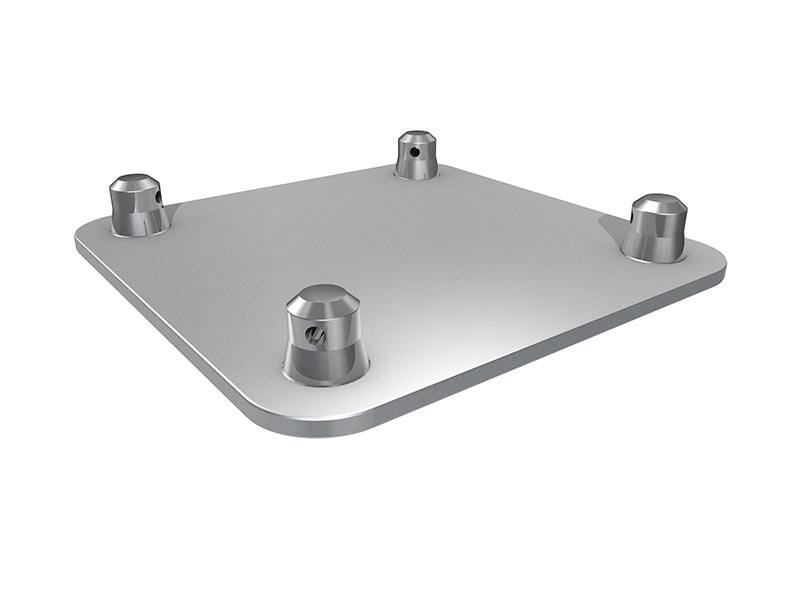
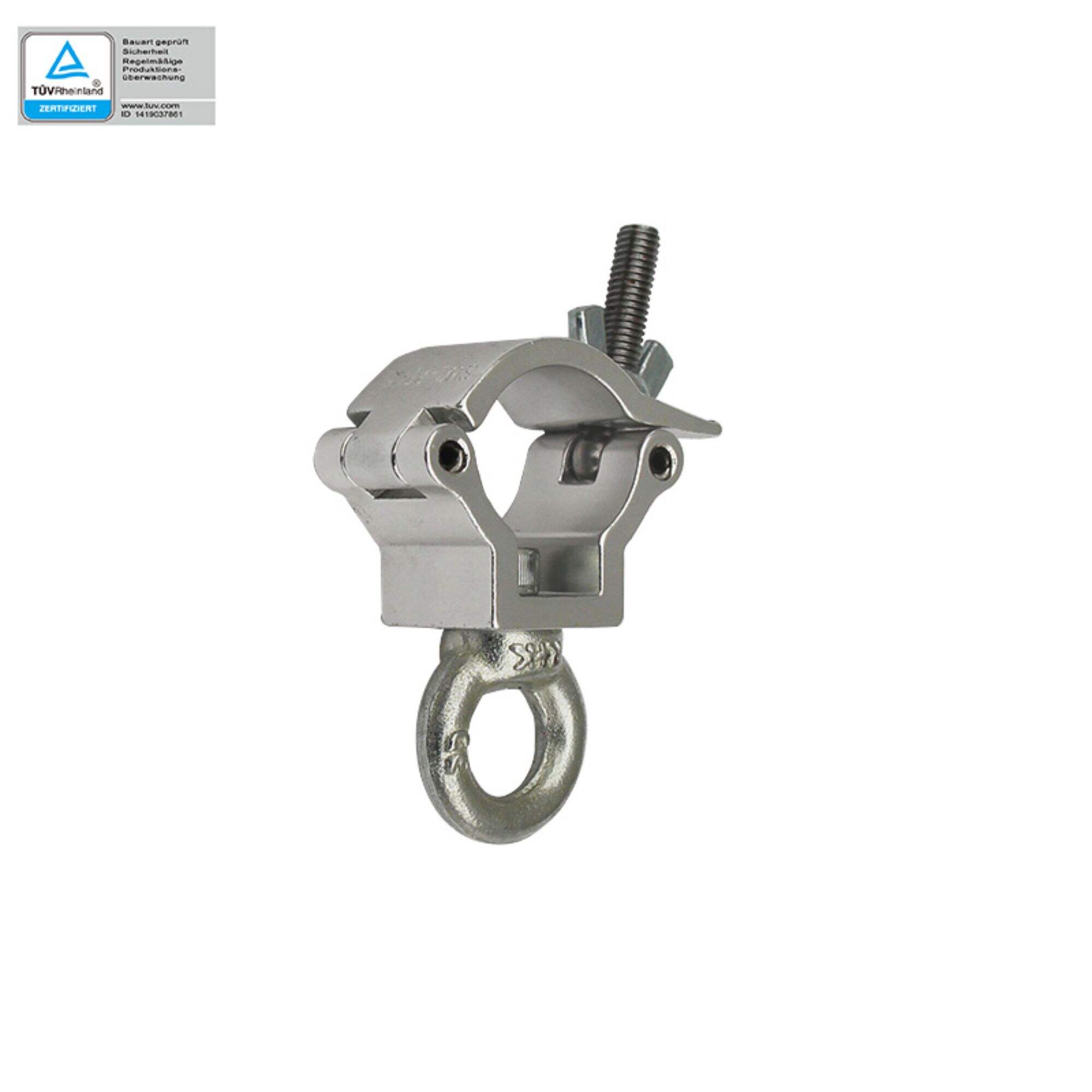
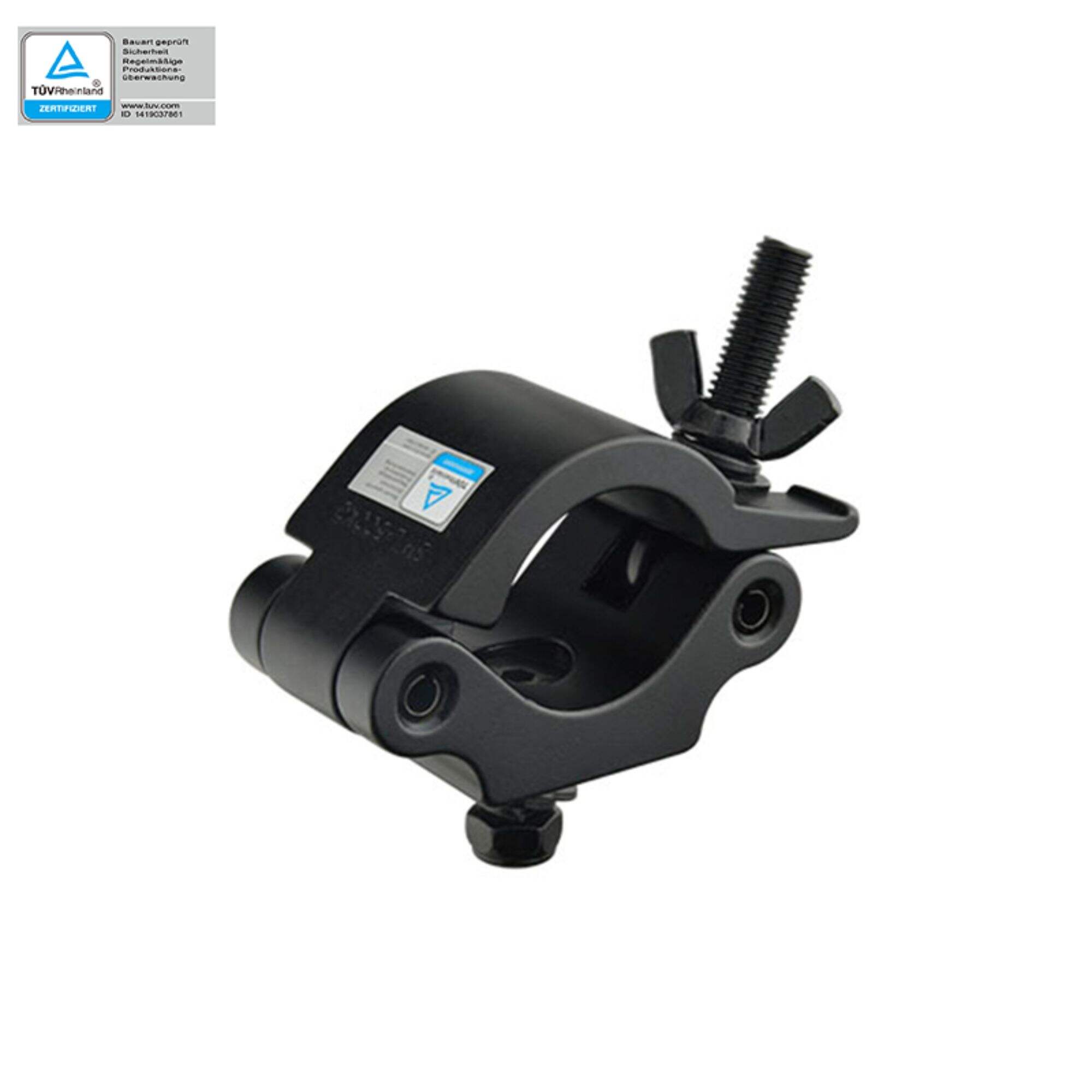
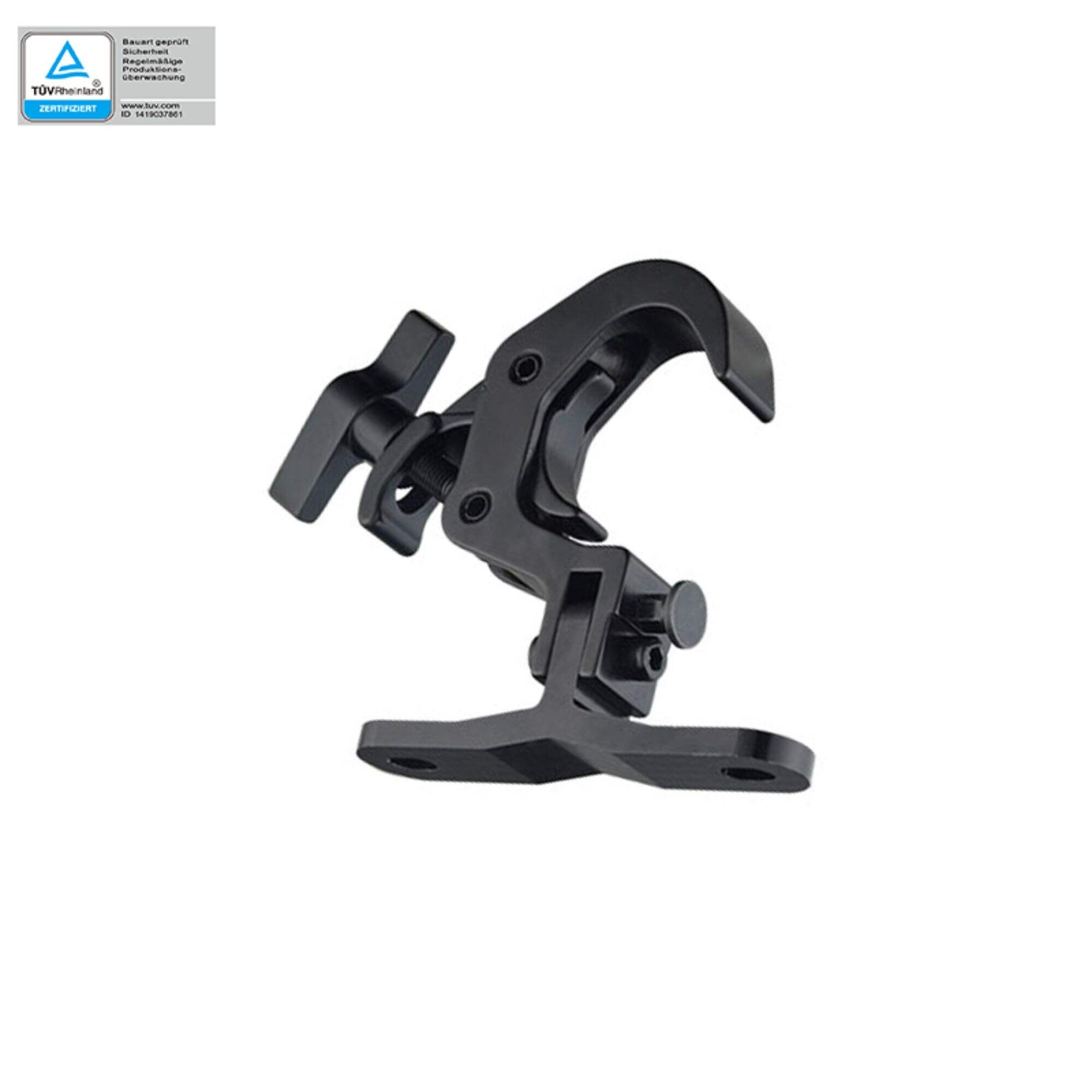
The standard clamps we see in most truss systems, especially those half couplers and cheeseboro types, really matter because they work so well across different situations. Half couplers basically hold everything together securely when connecting truss parts. They let people set up all sorts of rigging arrangements without much hassle. What makes them special is how they fit with various truss sizes, which means one size doesn't have to fit all anymore. Then there's the cheeseboro design that everyone loves for its speed. These things snap on and off quickly, which saves tons of time during events like live concerts or theater shows where setup windows are tight. The whole point of these designs is fast assembly and breakdown times. Most professionals in the field swear by these standard clamps not just because they work reliably but also because nobody wants to waste time fiddling with complicated connections when deadlines loom.
Special Clamps for Unique Truss Configurations
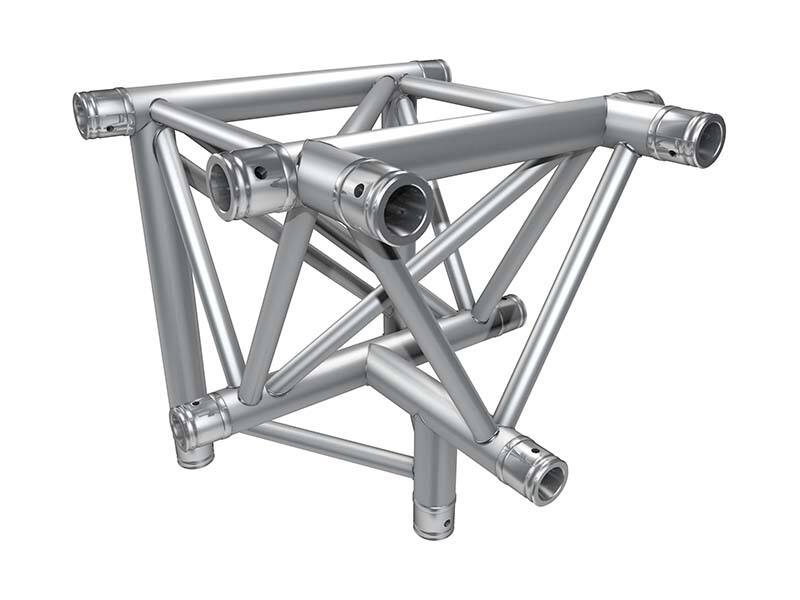
When dealing with complicated rigging situations, special clamps become absolutely necessary to tackle those tricky problems that regular equipment just can't handle. These specially made clamps beat standard ones hands down when we need something tailored for the job at hand. Take this real world situation from last year's music festival setup across three different venues. The organizers needed some seriously complicated truss arrangements, and guess what? Regular clamps simply wouldn't work for those tight spaces and odd angles. New improvements in clamp technology have really changed things though. They make work go faster and cut down on risks during installation. Most professionals in the field will tell anyone who'll listen that these specialized tools are a must have for keeping everything stable where normal clamps might let us down. What makes them so valuable is how adaptable they are, which matters a lot in situations where getting it right matters most and mistakes could be costly.
Key Applications in Stage and Industrial Settings
Securing Lighting and Audio Equipment
When setting up lighting and sound gear for live events, good quality clamps really matter. They keep everything from falling apart during performances, which means fewer problems and safer conditions overall. Research shows that using strong clamps and connectors cuts down on equipment breakdowns quite a bit. Industry insiders point out that around 30% of live shows experience some kind of equipment failure because of poor mounting systems. Take last summer's big outdoor music festival as proof. The organizers used heavy duty clamps throughout their complex lighting setup. That paid off handsomely since nothing went wrong during the entire weekend, and everyone felt much safer knowing the lights wouldn't suddenly drop from above.
Structural Support for Modular Stages
When building modular stages for temporary setups, clamps and couplers play a really important role in keeping everything structurally sound. They give stage builders the flexibility they need while making assembly much easier, so crews can get things up quickly and safely on site. This kind of adaptability matters a lot when venues need constant reconfiguration, especially at places like community theaters where productions change weekly or outdoor music festivals that transform spaces overnight. Safety isn't something people take lightly either. Stage riggers must follow strict rules and guidelines when using these connection points. Take ANSI E1.21 for instance this standard lays out exactly how these parts should be designed and applied throughout the industry. Event organizers know from experience that sticking to these specifications keeps everyone safe during shows and prevents accidents that could ruin performances or worse.
Material Quality and Durability Considerations
High-Strength Aluminum Alloys
Manufacturers often turn to high strength aluminum alloys when building clamps and couplers because these materials just work better in so many ways. The real magic happens in how they combine toughness with lightness something that makes all the difference in situations where things need to hold together but cant be too heavy either. Some numbers floating around suggest that certain aluminum grades actually match or even beat out steel in terms of tensile strength while still keeping that featherlight advantage. Take stage equipment for example the lightweight nature means crews can move things around faster without breaking a sweat, plus there's less strain on whatever structures need to support those loads. Industrial settings benefit similarly from this property, especially in places where regular maintenance checks happen frequently and having lighter parts makes inspections safer and quicker overall.
Corrosion Resistance for Longevity
How well clamps and couplers resist corrosion really matters for how long they last, particularly when installed in places where weather or chemicals take their toll. Industry research shows just how damaging corrosion can be, cutting down equipment life spans while creating serious safety risks. That's why manufacturers apply different types of protective coatings to these components. The right coating makes all the difference in extending service life and keeping those important connections strong whether it's supporting lighting rigs on stages or holding together machinery parts in factories. Anodizing works great for metal parts that need extra protection against rust, while powder coating tends to be preferred for its tough exterior finish that stands up to wear and tear over years of operation.
Safety Standards and Load Capacity Guidelines
Understanding SWL (Safe Working Load)
Knowing what Safe Working Load or SWL means matters a lot when working with rigging gear because it keeps everyone safe and makes sure equipment works properly. Basically, SWL tells us how much weight something can hold before it breaks or fails somehow. When figuring out SWL for different types of clamps, workers need to look at things like what materials were used and how the clamp is shaped. Take lifting operations versus horizontal securing jobs – these situations require completely different calculations for determining safe loads. Industry experts from places like OSHA and ISO stress that following these SWL rules isn't optional but necessary if we want to avoid broken equipment and workplace injuries. Most experienced riggers know better than to ignore these numbers since they've seen what happens when people try to push beyond them.
TÃV-Certified Clamps for Reliability
TÜV certification makes all the difference when it comes to clamp reliability and safety. When clamps get this certification, they go through extensive testing to see if they can handle different weights and work in various conditions. The tests look at how much stress they can take before failing, check the materials used, and make sure they won't rust away over time. Industry reports point out that accidents involving uncertified hardware happen far too often, sometimes with serious consequences for workers. That's why getting proper certification matters so much for workplace safety. Beyond just meeting basic requirements, TÜV certified clamps give manufacturers confidence that their products will actually work as intended when put to the test in real world situations.
Innovations in Clamp and Coupler Design
Adjustable Angled Couplers for Flexible Setups
Angled couplers that can adjust have become something of a breakthrough for installations needing different angles and lots of flexibility. These special clamps work with all sorts of setups, which cuts down on time spent putting things together. They let workers create pretty much any configuration they need, so precision stays high even when conditions change. Stagehands and event planners especially love them because they cut back on extra gear and manpower requirements during setup. One theater technician mentioned saving hours on load-in times after switching to adjustable models. Beyond just saving time though, these couplers open up new possibilities for creative structures while keeping costs down. That's why more construction firms are incorporating them into their standard toolkits nowadays.
Modular Systems for Rapid Assembly
Modular clamp systems are changing how people think about fast assembly work, bringing real benefits when it comes to getting things done quickly and efficiently. The beauty lies in their ability to let pre-made components snap together without much fuss, cutting down on assembly time and letting projects move along faster than ever before. Take trade shows or big public events for instance. Many organizers now rely on these modular setups to build temporary structures overnight what would take days using conventional methods. There's definitely room for improvement though. Industry insiders expect to see better integration between physical hardware and digital tools soon enough. Some manufacturers already test prototypes that sync directly with planning software, making adjustments on site much smoother. With businesses across sectors constantly looking to save money and time, modular solutions keep gaining ground as practical alternatives to traditional assembly techniques.
Hot News
-
The Application Scenarios Of Lighting Hooks And Trusses
2023-12-14
-
Market Analysis Of Lighting Hooks And Trusses
2023-12-14
-
The Essence Of Lighting Hooks And Trusses
2023-12-14
-
An In-Depth Look At Lamp Hooks And Truss Products
2023-12-14
-
Light Hooks And Truss Products: A Niche But Vital Industry
2023-12-14