 EN
EN
 AR
AR
 BG
BG
 HR
HR
 CS
CS
 DA
DA
 NL
NL
 FI
FI
 FR
FR
 DE
DE
 EL
EL
 HI
HI
 IT
IT
 JA
JA
 KO
KO
 NO
NO
 PL
PL
 PT
PT
 RO
RO
 RU
RU
 ES
ES
 SV
SV
 TL
TL
 ID
ID
 LT
LT
 SK
SK
 UK
UK
 VI
VI
 SQ
SQ
 GL
GL
 HU
HU
 TH
TH
 TR
TR
 FA
FA
 MS
MS
 GA
GA
 IS
IS
 MK
MK
 EU
EU
 KA
KA
Quality assurance system of Changjianshun products
Understanding the Quality Assurance System for Changjianshun Products
Quality assurance systems are basically organized methods companies use to make sure their products or services hit certain benchmarks and satisfy what customers want. These systems really matter when it comes to making products dependable and keeping customers happy over time. Good QA catches problems before they become bigger issues, so the final product ends up better than it would otherwise be. When customers get what they expect consistently, they start trusting the brand more. This trust makes all the difference in markets where competition is tough, helping businesses keep their good name intact while also improving it gradually through reliable performance.
Quality assurance systems matter a lot in manufacturing environments. They help keep products consistent across batches, make operations run smoother, and cut down on all sorts of production problems. When companies monitor their processes regularly, they can spot issues before things go wrong. For instance, if a machine starts producing defective parts, QA teams catch it fast so adjustments can happen right away. Good QA doesn't just mean identical products coming off the line; it actually saves money by preventing expensive rework later on. Over time, this approach turns risk management from something separate into something built directly into how factories operate day to day.
The Role of a Quality Assurance System in Product Development
Quality assurance systems are really important throughout product development because they help ensure each stage hits those quality benchmarks we set. The whole process starts with quality planning, basically figuring out what exactly needs to be achieved and setting those standards right from the beginning. Then comes quality control during actual production, checking if what gets made matches up with what was promised. Good QA frameworks also have ways to improve things over time through feedback mechanisms that spot problems early so fixes can happen before bad products reach customers. At the end of the day, regular evaluations look at how well everything worked overall, making sure improvements keep pace with new industry expectations as markets evolve.
A good QA system relies on several key parts that keep everything running smoothly. First comes those quality policies that show how serious an organization is about doing things right. Then there are specific targets everyone works toward to actually reach those lofty goals mentioned in the policies. People need to know exactly what their job is in all this mess, so most companies assign clear roles throughout different teams. Paperwork matters too. We need detailed records of our standards, how we do things day to day, and what results we get. These documents become invaluable when trying to fix problems later or prove we met regulations during inspections. Regular checkups and looking at performance numbers aren't just nice to have either. They help businesses stay ahead of issues before they become big headaches, which ultimately means better products hitting the market consistently without surprises down the line.
When companies build these detailed quality assurance processes into their operations, they get two major benefits: faster product development cycles and stronger customer confidence because people know they're getting something that actually works well. The structured way QA systems work lets businesses keep better control over how things are made on the factory floor, which cuts down on mistakes and saves time in the long run. What happens next? Companies start standing out from competitors who cut corners, customers become repeat buyers since they trust what they purchase, and all of this adds up to healthier bottom lines for manufacturers who invest properly in quality controls from day one.
Key Features of Changjianshun's Quality Assurance System
Changjianshun's G44C21P plays a pivotal role in the quality assurance system by enhancing product safety and reliability. As a critical component, it ensures that the products meet stringent quality benchmarks essential for operational excellence.
What sets the G44C21P apart are its built-in features that really stand up to wear and tear while maintaining solid performance levels. One major plus is how reliable this system actually is day after day, cutting down on those frustrating breakdowns and unexpected maintenance calls that cost time and money. Built to last through tough conditions, it keeps performing well whether installed in industrial settings or harsh outdoor locations where other systems might fail. And don't overlook the engineering behind it all either the design has been fine-tuned to hit peak efficiency metrics right out of the box, meeting all the relevant ISO certification requirements for quality control in manufacturing environments.
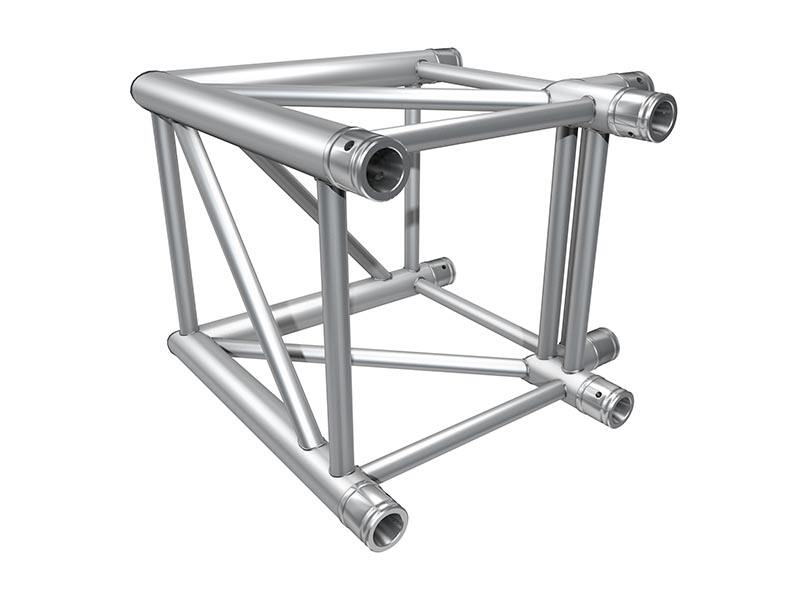
Such features set the G44C21P apart as an indispensable element in Changjianshun's commitment to quality, thus maintaining a competitive edge through sustained product excellence and customer satisfaction.
Latent Semantic Factors Enhancing Quality Assurance
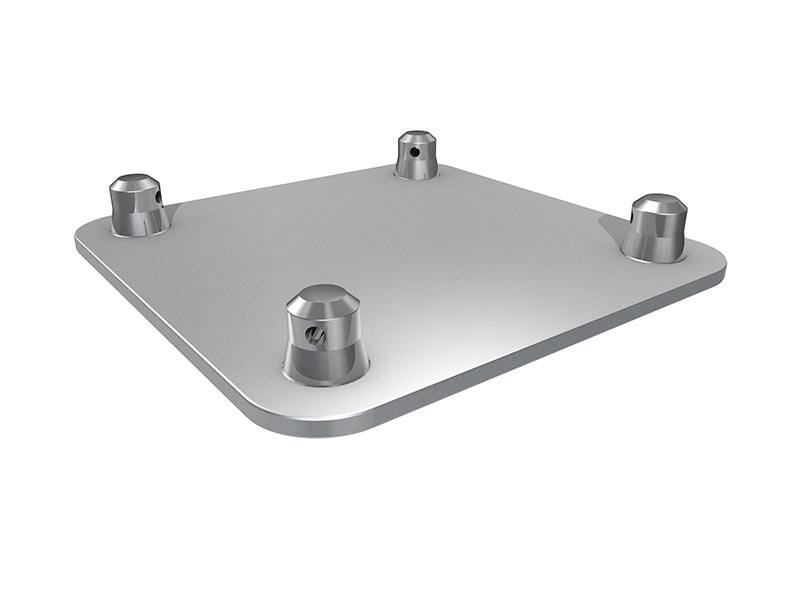
Product quality really depends on good materials, especially when it comes to things like base plates and steel parts. Research shows that better quality steel makes products last longer and stand up to more force before breaking down. Take a look at actual numbers too products made with top tier steel components tend to handle physical stress about 15 percent better than cheaper alternatives. While some might think this matters only for certain applications, most manufacturers across various sectors have actually adopted these standards as normal practice rather than optional extras, particularly in fields where equipment failure could lead to serious problems.
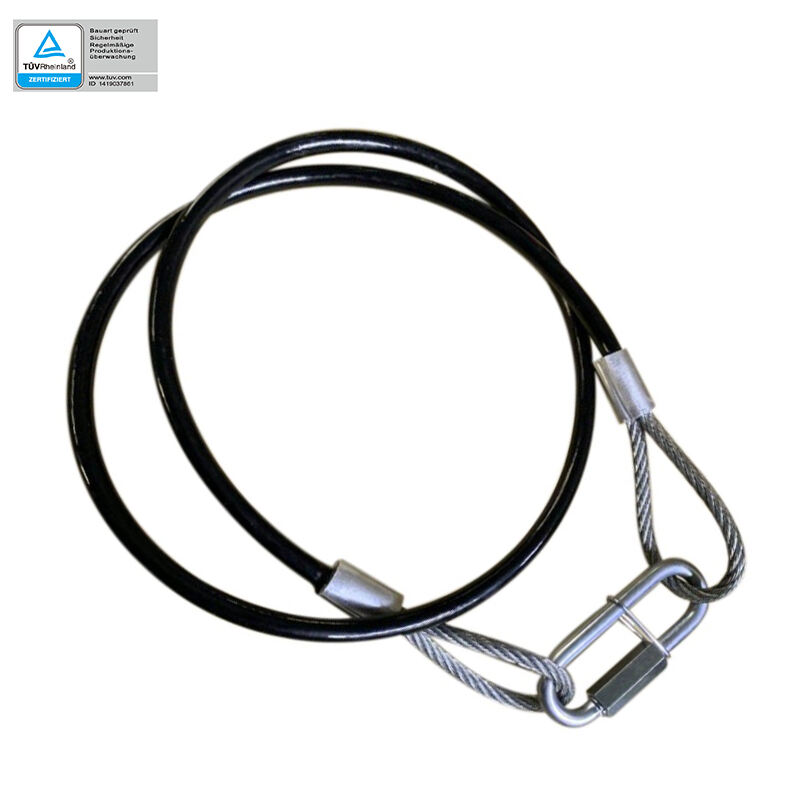
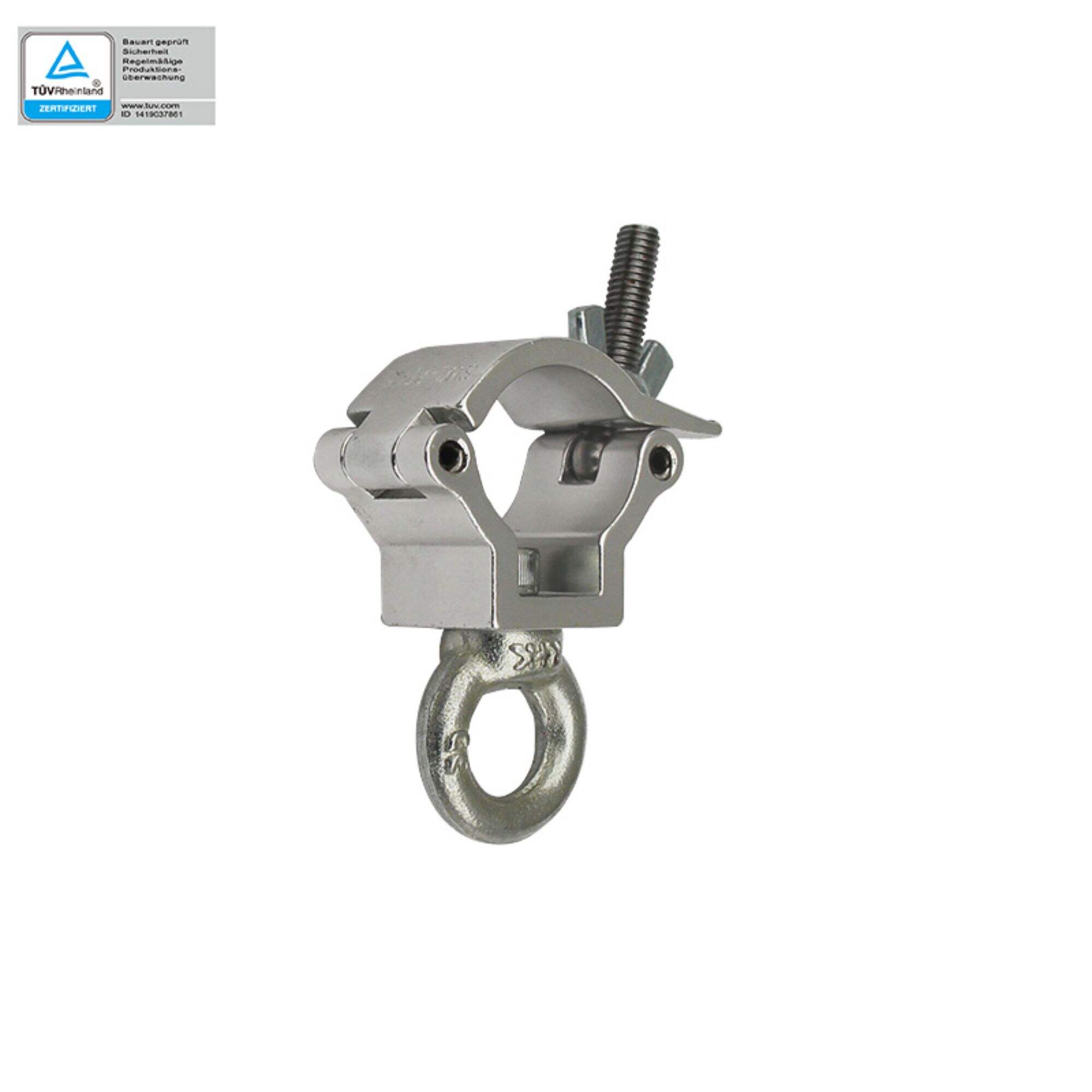
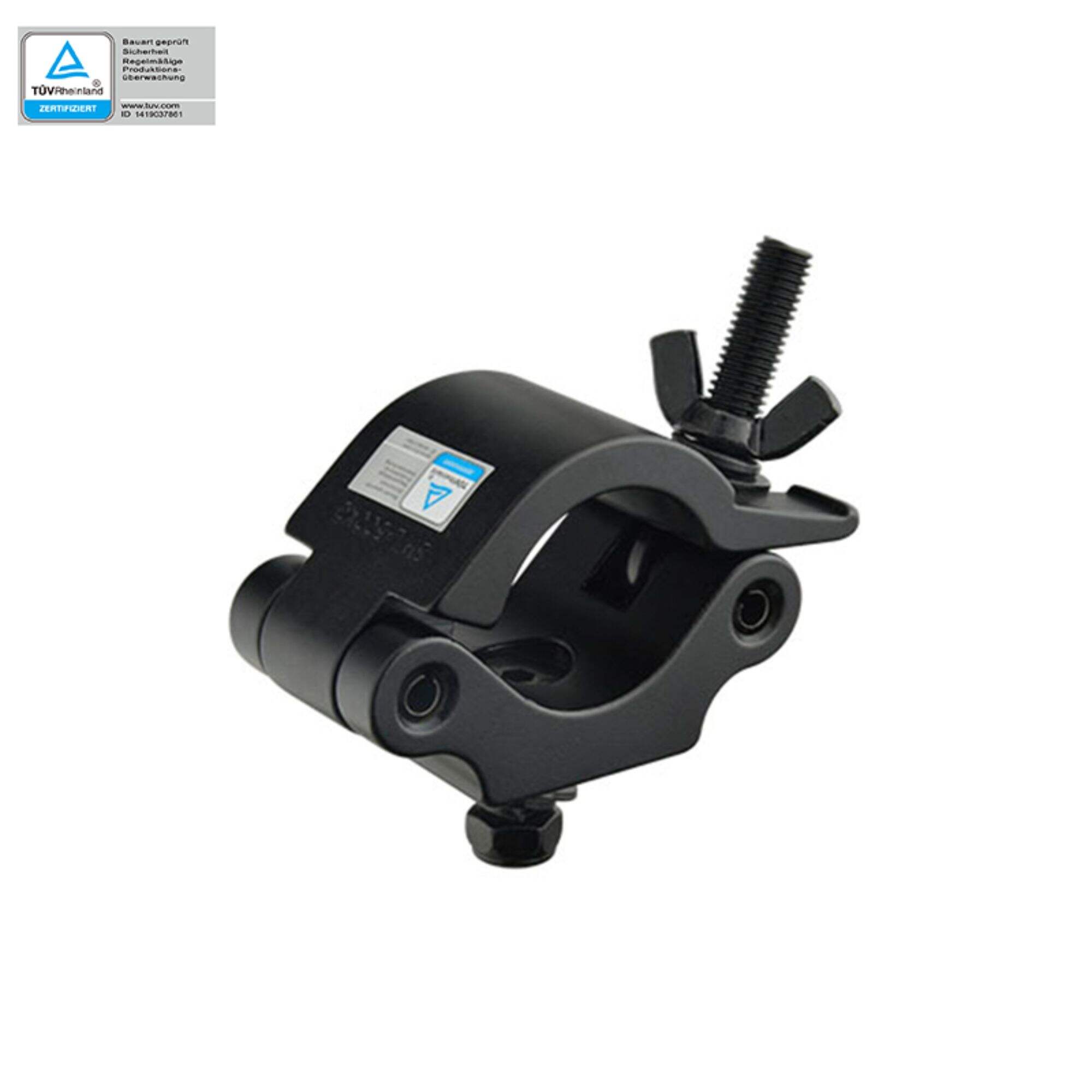
Adding safety cables and proper lighting clamps to product designs makes a real difference in how reliably things operate day to day. When parts fail mechanically, those safety cables stop things from going completely wrong, acting like backup systems when primary ones let go. The lighting clamps are just as important for keeping everything stable, especially in places where good visibility matters a lot for work processes. These additions do more than just keep people safe they actually make machines last longer and perform better over time. Most manufacturers know this already, which is why smart companies build these features right into their products from the start instead of adding them later. After all, nobody wants surprises when running expensive equipment at critical moments.
Importance of Regulatory Compliance Within the Quality Assurance Framework
Sticking to international quality management standards helps products get accepted in markets around the world. When companies achieve certifications like ISO 9001, they build their reputation as reliable players in the industry. Customers start to notice this consistency in quality over time. Businesses that follow these global guidelines find themselves better positioned to sell internationally because buyers know what to expect from their products. Trust builds naturally when there's evidence of serious quality control measures in place throughout operations.
Good risk management sits at the heart of any solid quality assurance system. When businesses stick to standards such as ISO 9001, they get better at spotting problems before they happen and putting in place measures that stop those issues from causing trouble. Taking this kind of forward thinking means maintaining consistent quality across every step of operations, which protects brand image and keeps things running smoothly without unexpected hiccups. Companies that weave risk management into their quality programs often find themselves saving money on waste while customers tend to come back again because products meet expectations consistently over time.
Challenges in Implementing Quality Assurance Systems
Getting quality assurance systems up and running isn't always smooth sailing. A big roadblock many companies run into is simply getting people on board with changes. Staff members tend to resist new procedures because they worry about messing up what works for them now or ending up with extra work on their plates. When this happens, the whole QA implementation just doesn't click right. Another major issue comes down to money and manpower. Many businesses struggle with limited budgets, not enough trained staff, or outdated tech equipment. Without proper support, keeping those quality standards consistent becomes a real uphill battle. These resource gaps mean organizations might never see all the advantages that come with having a solid QA framework in place.
Getting QA systems up and running properly requires some smart moves from companies. Training programs need to be solid investments if we want staff to actually get on board with these changes. When people know what they're doing and why it matters, resistance tends to drop off pretty quickly. Another good move is bringing everyone into the loop during planning stages. Front line workers should have their say alongside managers when decisions are being made. This creates buy in across departments rather than just top down mandates. Regular checks on how well the system works are essential too. No one wants surprises down the road so catching problems early makes sense for everyone involved. The real winners though are those businesses that keep tweaking their approaches over time. Small adjustments here and there lead to better results long term while keeping operations flexible enough to handle whatever comes next.
Future Trends in Quality Assurance Systems for Changjianshun
Looking ahead, the quality assurance systems at Changjianshun will need to keep pace with changing industry standards and new tech developments. Artificial intelligence and machine learning are becoming major players here. They help update QA methods in ways we couldn't imagine just a few years ago. Real time data processing, spotting patterns in production runs, and taking over repetitive checks are just some of what these tools do. The shift to digital solutions makes things run smoother while keeping error rates down across the board. Some companies have already seen their defect detection improve dramatically after implementing predictive analytics. Machine learning powered software actually spots problems before they happen, which means fewer recalls and better products reaching customers.
As tech gets woven into every aspect of business operations, we're seeing a real movement toward quality assurance methods that put customers first. When companies actually listen to what users say about their products during testing phases, they end up creating items that actually solve real problems people face. Take look at how smartphone manufacturers now run beta tests with everyday consumers before final releases. This kind of customer focus doesn't just make folks happier with what they buy, it pushes engineers to think outside the box when designing new features. While many businesses talk about wanting sustainable growth, few actually commit the resources needed to maintain these customer feedback loops long term, which remains a challenge for most organizations trying to stay ahead in today's crowded marketplace.
FAQ
What is a Quality Assurance (QA) system?
A QA system is a structured process designed to ensure that products or services meet specific standards and customer expectations, improving product reliability and customer satisfaction.
Why is a QA system important in manufacturing?
A QA system maintains consistency in product output, enhances operational efficiency, and reduces production risks by systematically monitoring processes and implementing corrective actions early.
What role does G44C21P play in Changjianshun's QA system?
The G44C21P component enhances product safety and reliability, ensuring products meet stringent quality benchmarks vital for operational excellence.
How do materials like steel impact product quality?
High-grade materials, such as steel, improve durability and tensile strength, contributing to product longevity and safety.
What challenges might arise when implementing a QA system?
Challenges may include resistance to change, lack of resources, and insufficient budget or technology. Overcoming these with training and stakeholder involvement is crucial.
Hot News
-
The Application Scenarios Of Lighting Hooks And Trusses
2023-12-14
-
Market Analysis Of Lighting Hooks And Trusses
2023-12-14
-
The Essence Of Lighting Hooks And Trusses
2023-12-14
-
An In-Depth Look At Lamp Hooks And Truss Products
2023-12-14
-
Light Hooks And Truss Products: A Niche But Vital Industry
2023-12-14