
 EN
EN
 AR
AR
 BG
BG
 HR
HR
 CS
CS
 DA
DA
 NL
NL
 FI
FI
 FR
FR
 DE
DE
 EL
EL
 HI
HI
 IT
IT
 JA
JA
 KO
KO
 NO
NO
 PL
PL
 PT
PT
 RO
RO
 RU
RU
 ES
ES
 SV
SV
 TL
TL
 ID
ID
 LT
LT
 SK
SK
 UK
UK
 VI
VI
 SQ
SQ
 GL
GL
 HU
HU
 TH
TH
 TR
TR
 FA
FA
 MS
MS
 GA
GA
 IS
IS
 MK
MK
 EU
EU
 KA
KA
Material advantages of Changjianshun aluminum alloy trusses
Introduction to Aluminium Alloy Trusses
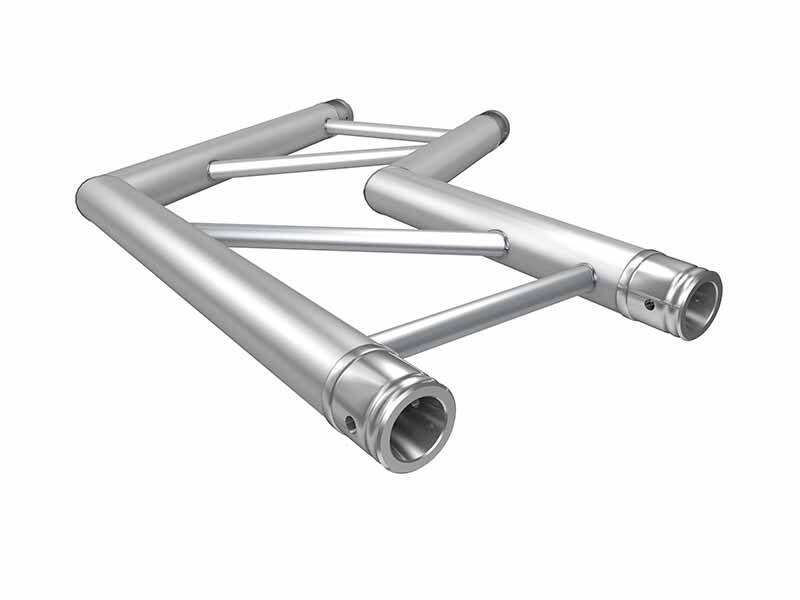
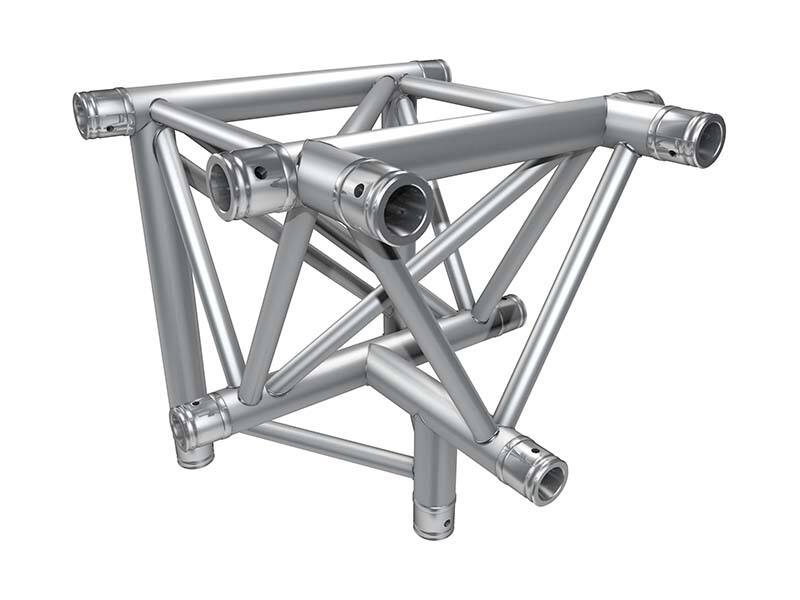
Aluminum alloy trusses form the backbone of many structures, especially in live events and concerts where temporary infrastructure is needed. They hold up stages, lighting rigs, and massive screens because of how they're made from a mix of aluminum and other alloys. What's great about these trusses is that despite being so light, they pack serious strength. Event planners love working with them since they need equipment that can be moved around easily without sacrificing stability. The fact that aluminum doesn't weigh much means crews spend less time struggling with heavy components during setup. Plus, when something goes wrong at an event, having structurally sound trusses keeps everyone on stage and in the audience safe throughout performances.
Material Advantages of Aluminium Alloy Trusses
Most people in the construction business know aluminium alloy trusses have real staying power. They can take on serious weight because of their strong tensile properties, something that matters a lot when building things that need to hold up under pressure. Some studies show these alloys are about 70 percent stiffer compared to regular materials out there. That extra stiffness explains why so many contractors reach for aluminium alloy trusses when putting together big structures like concert stages or those massive light rigs seen at festivals. Nobody wants equipment failing mid-show after all, so getting something reliable and tough makes complete sense in these situations.
One major plus point for aluminum alloy trusses is how light they actually are, making them much easier to work with compared to heavier materials. Because aluminum weighs less than steel, transporting these trusses around sites takes less effort and time, which cuts down on what companies spend on labor. The events sector especially loves this feature since they need things moved quickly between venues all the time. Concert promoters and festival organizers can get stages assembled faster when using lightweight aluminum structures, saving hours during those tight deadlines before shows start. This kind of practical benefit really matters when every minute counts at live events.
Aluminum naturally resists corrosion, which makes it really useful for many applications. When aluminum comes into contact with air, it creates a thin oxide layer that stops rust from forming and protects against general wear and tear. This means aluminum trusses can handle all sorts of weather conditions without breaking down over time. Plus, because they don't degrade as quickly, there's no need to constantly check or repair them like other materials might require. For buildings that need strong support structures indoors or out, this translates to real money savings in the long run since replacement costs go way down compared to alternatives that simply cannot stand up to Mother Nature.
Versatility in Design and Applications
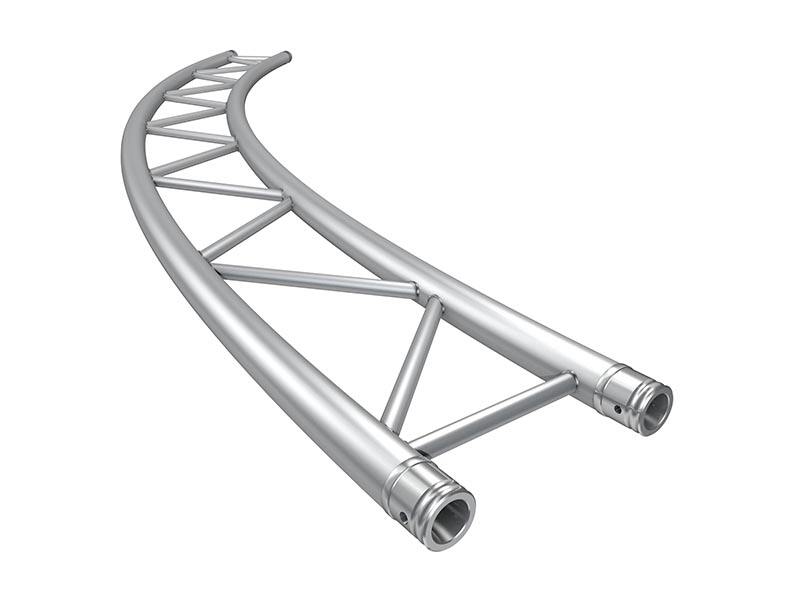
Aluminum trusses are really adaptable stuff, which is why they work great at so many different events from music festivals to trade shows and even football matches. The way these trusses bend and fit together means organizers can build pretty much whatever shape they need, big or small. Sometimes event teams will tweak the standard designs to match specific venue requirements or artistic concepts. Most planners I've spoken to prefer going with aluminum because it gives them options when things don't go exactly according to plan during setup.
Aluminium trusses come with all sorts of custom options that make them really versatile for different events. Most manufacturers will actually build special designs when needed for particular projects. Think about it this way some clients want certain colors that match their brand identity, others need built-in LED lights for stage effects. The ability to tweak these details means event planners aren't stuck with generic solutions anymore. They can bring their vision to life exactly how they imagine it without compromising on functionality or aesthetics.
Transitioning to the next section, while aluminium trusses boast versatility and customization, they also offer significant material advantages that contribute to their widespread use in diverse applications.
Comparing Aluminum Truss to Other Materials
Looking at aluminum versus steel trusses, there's no one-size-fits-all answer since both materials bring something valuable to the table. Steel remains king when it comes to strength, so most contractors still reach for it whenever they need something that will last decades on rooftops or bridges. But aluminum has carved out its own niche too. The stuff weighs next to nothing compared to steel, plus it won't corrode like iron does over time. That makes aluminum trusses perfect for concert stages, trade shows, and other temporary structures where crews need to move equipment quickly between locations. We've seen this shift happen across the events industry lately. Event planners love working with aluminum because they get all the support they need without dealing with massive weights or worrying about rust spots ruining their gear after just a few rainstorms.
Wood trusses come with their good points and bad ones too. Many people like them because they look natural and can blend right into traditional or rustic design styles. But there's no getting around it wood just doesn't save weight like aluminum does, plus it tends to wear out faster with age. Wood also gets damaged when exposed to weather conditions, so regular checks and repairs become necessary over time. For projects needing something that lasts longer without constant upkeep, aluminum usually makes more sense, particularly in areas where rain, snow or extreme temperatures might weaken wooden structures after a while.
Best Practices for Selecting Aluminium Trusses
Choosing aluminium trusses requires looking at their load capacities if we want safe and efficient results for whatever setup they're going into. Knowing what kind of weight and stress these structures will face matters a lot because this info needs to match up with standard industry requirements to avoid any structural issues down the road. Take the maximum load capacity for instance. If we figure out exactly how much weight a particular truss can support without bending or breaking, then we know it'll hold steady even when things get heavy during events or construction projects. This kind of assessment gives peace of mind across different installation scenarios where stability is absolutely critical.
Knowing about quality marks like EN 1090 or ISO 9001 helps people figure out if aluminium trusses are reliable before they buy them. What these certificates really mean is that both how the truss was made and the final product itself has passed certain global quality tests. This gives buyers confidence that whatever they're getting will hold up over time and perform consistently across different projects. When shopping around for trusses, taking note of these certification details makes all the difference. It allows purchasers to pick options that not only look good on paper but actually deliver real world strength without compromising on overall quality standards.
Conclusion: The Future of Aluminium Alloy Trusses
The aluminum truss sector is seeing some pretty big changes when it comes to going green. More companies are starting to switch out old manufacturing methods for ones that actually care about the environment. They're also experimenting with different materials that leave a smaller carbon footprint. Design tech keeps getting better too, so we're seeing aluminum alloy trusses become lighter weight while still holding up just fine. Some folks in the industry believe these improvements might eventually lead us to a point where standard trusses will simply be better for the planet without sacrificing quality. Time will tell if this becomes reality across the board though.
FAQ Section
What are aluminium alloy trusses commonly used for?
Aluminium alloy trusses are commonly used in the event and entertainment industry as they provide structural support for stages and large displays due to their strength and lightweight properties.
Why is aluminium considered better than steel for temporary structures?
Aluminium is considered better for temporary structures because it is lightweight, easy to handle, has natural corrosion resistance, and reduces labor and transportation costs, unlike the heavier and potentially rust-prone steel.
Can aluminium trusses be customized?
Yes, aluminium trusses can be customized in terms of design, color finishes, and integrated lighting systems according to specific project requirements, offering high versatility.
What should be considered when selecting aluminium trusses?
When selecting aluminium trusses, consider evaluating load capacities, and ensuring quality certifications such as EN 1090 or ISO 9001 to assess their reliability and quality.
Hot News
-
The Application Scenarios Of Lighting Hooks And Trusses
2023-12-14
-
Market Analysis Of Lighting Hooks And Trusses
2023-12-14
-
The Essence Of Lighting Hooks And Trusses
2023-12-14
-
An In-Depth Look At Lamp Hooks And Truss Products
2023-12-14
-
Light Hooks And Truss Products: A Niche But Vital Industry
2023-12-14