
 EN
EN
 AR
AR
 BG
BG
 HR
HR
 CS
CS
 DA
DA
 NL
NL
 FI
FI
 FR
FR
 DE
DE
 EL
EL
 HI
HI
 IT
IT
 JA
JA
 KO
KO
 NO
NO
 PL
PL
 PT
PT
 RO
RO
 RU
RU
 ES
ES
 SV
SV
 TL
TL
 ID
ID
 LT
LT
 SK
SK
 UK
UK
 VI
VI
 SQ
SQ
 GL
GL
 HU
HU
 TH
TH
 TR
TR
 FA
FA
 MS
MS
 GA
GA
 IS
IS
 MK
MK
 EU
EU
 KA
KA
The Importance of Durable Base Plates in Event and Stage Setups
Structural Integrity and Stability in Stage Setups
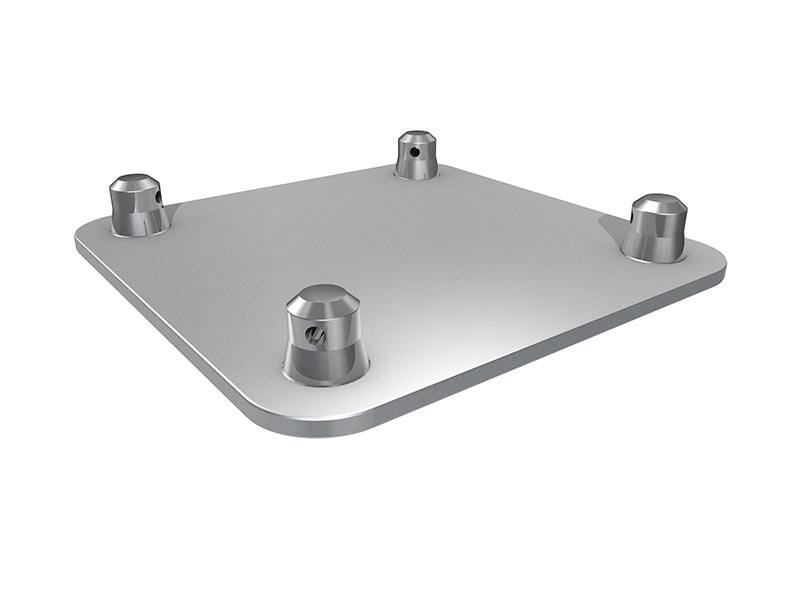
Role of Durable Base Plates in Load Distribution
Base plates that last through multiple setups help spread weight around stages properly, stopping stress from building up in one spot that could eventually break things apart. Studies show when weight isn't distributed right, accident risks go way up, so manufacturers need to stick with good quality materials for these plates. Think about what happens if those plates give way mid-show - nobody wants to see equipment crashing down on performers. A decently made base plate cuts down on warping and bending over time, keeping the whole stage stable throughout concerts or theater productions without unexpected problems arising.
Impact on Stage Longevity and Performance
Heavy duty base plates really make a difference when it comes to how long stage setups last before needing replacement. The wear just doesn't happen as fast with repeated use. Looking at event reports shows that stages built with better quality materials tend to have way fewer problems with structural failures. This means smoother operations during performances. These tough base plates aren't just good for safety either. They actually help keep everything looking sharp on stage too. When all the elements stay aligned properly without shifting around, the whole setup looks much cleaner and more professional. Plus, there's less worry about something breaking mid-show because the foundation holds up so well over time.
Integration with Durable Pipe Fittings
Putting together strong base plates with good quality pipe fittings really makes a difference in how stable and tough a stage ends up being. Some real world tests show that when stages use well made fittings, there's way less wobbling around, which means the whole thing stands up better during events. Base plates work best when connected to solid pipe fittings because this setup can handle all sorts of stage arrangements from small club gigs to big outdoor festivals. The combination keeps everything locked down tight no matter what kind of weather hits or how many people jump around on the surface. Most experienced riggers will tell anyone who asks that getting these components right isn't just about looks it's absolutely critical for keeping everyone safe while the show goes on.
Safety Considerations for Event Productions
Preventing Structural Failures in Dynamic Environments
Keeping structures safe in places where events happen is really important for everyone's well being at shows and concerts. Checking equipment regularly and doing proper maintenance work helps stop accidents when nobody expects them during live performances. Research shows most problems with stages actually come down to poor building quality underneath everything else, which makes following strict safety rules absolutely necessary. Looking back at what went wrong before gives us clues about where things tend to fail again and again, so we know what needs fixing first. Taking these steps ahead of time cuts down dangers and creates an environment where safety matters more than just ticking boxes. Both artists on stage and people watching from seats get protected this way, making sure nobody gets hurt because someone forgot to check something simple.
Weather Resistance and Environmental Durability
When setting up stages for outdoor events, making sure they can handle different kinds of weather becomes really important. Studies show that when organizers choose materials that resist harsh weather conditions, they end up spending less money on repairs down the road, which makes good financial sense. Adding things like special coatings that fight against sun damage and barriers that keep moisture out actually makes event structures last longer in the elements. The benefits go beyond just saving cash though. These improvements mean people watching the event stay safer during storms or heavy rain, something that gives both organizers and attendees a lot of reassurance. Spending extra money initially on quality weather proofing materials ends up being worth it because there's far less need for constant fixes later on, plus the whole setup just works better when Mother Nature throws her worst at it.
Compliance with Industry Safety Standards
Following industry safety standards set by organizations like OSHA makes a real difference for keeping performers and audience members safe at events. When companies actually check that these guidelines are being followed, accident numbers drop off quite a bit, which means safer environments overall. Event organizers who take safety seriously tend to have fewer problems during shows and generally look better in the eyes of the public too. These companies show they care about protecting all the people involved, which builds trust over time with everyone from venue staff to ticket holders. Sticking to accepted safety rules gives event producers peace of mind knowing their productions meet basic safety expectations while still running smoothly.
Applications Across Event Types
Concerts and Multi-Level Stage Designs
Concerts often rely on multi-level stages which require careful engineering work to keep everything standing firm despite all the movement going on during performances. These complex setups depend heavily on solid base plates to hold everything together, particularly important when there are artists performing at different levels across the stage area. Without proper stabilization, things could go wrong fast, putting everyone involved at risk and potentially ruining the whole show. Event planners should pay close attention to how weight gets distributed throughout the structure since this directly affects whether or not parts might collapse under pressure. Some venues now install sensors that track vibrations and stress points in real time, helping technicians spot problems before they become disasters. This kind of proactive approach makes a huge difference in keeping audiences safe while also ensuring the music keeps flowing without interruptions.
Corporate Events: Stability for AV Equipment
Most corporate events depend on solid installations because they involve so much audio and visual equipment these days. The staging usually needs strong base plates to hold all that AV gear in place, which helps prevent accidents when something goes wrong with the equipment. When stages are properly set up, it keeps those pricey cameras and microphones safe while making presentations look better overall. People tend to stay more engaged at conferences where everything works smoothly without constant technical problems interrupting what the speaker is saying. Good security for AV systems really makes a difference in how attendees perceive an event, allowing them to follow along without distractions from malfunctioning lights or broken sound systems during important moments.
Outdoor Festivals: Anchoring Temporary Structures
Festivals held outdoors need temporary structures that stand up against all kinds of weather, which is why good anchoring really matters. Base plates made from tough materials make a big difference when securing tents and market stalls, keeping everything safe and working properly. Wind and rain can be real problems at events, so smart anchoring makes all the difference between smooth operations and chaos. Event organizers know this well and tend to go for weatherproof materials that last longer, cutting down on those frustrating moments where something gets blown away mid-event. Proper setup means people stay safe while enjoying themselves, and vendors can run their businesses without constant interruptions. Using solid pipe fittings and other quality hardware isn't just about looking professional either it actually strengthens the whole structure, something every festival planner learns through experience after dealing with cheaper alternatives that let them down.
Material Innovation for Longevity
High-Strength Steel vs. Lightweight Aluminum
When building tough structures that need to last, many people are turning to high strength steel or lightweight aluminum these days because each has its own special qualities. Steel stands out when things get really rough, lasting much longer than most other materials. That's why construction crews often pick it for places where stuff needs to hold up against serious wear and tear over time. Aluminum tells a different story though. It's way lighter on the hands, making setup and breakdown at temporary venues so much easier. For festivals or pop-up events where moving gear around matters a lot, this can be a game changer. Anyone planning an event would do well to think hard about what kind of demands their particular situation will place on materials before making a decision. Industry reports show steel framed structures generally stand up better to intense stress situations than aluminum ones, but there are plenty of exceptions depending on how they're used.
Corrosion-Resistant Coatings and Treatments
Corrosion resistant coatings make a big difference in how long base plates last, particularly when they're exposed to the elements outside. According to what many manufacturers have seen in practice, materials treated with these coatings tend to survive roughly three times as long compared to untreated ones. Going beyond just making things last longer, these special coatings help keep structures intact while cutting down on the need for repairs. The money saved from fewer fixes adds up over time. Companies that invest in this kind of protection find their equipment stays functional much longer, which means less time spent dealing with breakdowns and fixing problems that cost both time and money.
Advancements in Modular Base Plate Systems
Modular base plate systems are changing the game when it comes to event planning, letting organizers tailor spaces for different layouts across various venues. New designs on the market now make these systems super easy to put together and take apart, cutting down setup time by half compared to traditional methods. For event coordinators, this means faster turnaround between bookings and better bottom line results. The real magic happens when handling events at different scales though. A wedding planner might need something completely different from a corporate seminar host, but with modular bases, both can get exactly what they need without wasting resources on unnecessary components. Most industry pros agree that these adaptable systems are becoming standard equipment for anyone serious about running efficient events.
Maintenance and Best Practices
Inspection Protocols for Wear and Tear
Checking stages regularly for signs of wear helps catch problems early before they turn into bigger safety hazards that could bring down entire structures during performances. Event organizers should keep track of inspection checklists so their crews know exactly what to look for when spotting materials showing stress or damage from repeated use. When these checks get skipped, companies face higher risks not just legally but also practically speaking since accidents happen and nobody wants injured patrons or expensive repairs after shows. Sticking to routine inspections actually makes good business sense too because it extends how long equipment lasts while keeping everything running smoothly throughout multiple events without unexpected breakdowns causing disruptions.
Proper Installation Techniques for Maximum Stability
Getting the installation right matters a lot when it comes to keeping stage structures stable. When staff aren't properly trained in how things should go together, there's always room for error that might cause problems down the line. Take those heavy duty pipe fittings for instance base plates need to be positioned just so if we want our temporary stages to hold up under pressure. Good training programs make all the difference here. They help extend how long equipment lasts while making sure everyone stays safe at events. After all, nobody wants their big concert or festival to come crashing down because someone missed a step in the setup process.
Storage Solutions to Preserve Structural Integrity
Getting storage right makes all the difference for how long base plates last before needing replacement or repair. We've seen plenty of cases where poor storage practices cause premature wear on these components, which weakens their structural capabilities after just a few months sitting around. Event companies need to create clear storage protocols covering everything from base plates down to those little pipe fittings too often overlooked. When stored properly, this gear maintains its strength and works as intended during events, which means fewer last minute fixes and happier clients. And don't forget about the pipe fittings themselves - investing in quality ones upfront pays off big time because they withstand repeated handling better than cheaper alternatives, especially during transport between venues.
Hot News
-
The Application Scenarios Of Lighting Hooks And Trusses
2023-12-14
-
Market Analysis Of Lighting Hooks And Trusses
2023-12-14
-
The Essence Of Lighting Hooks And Trusses
2023-12-14
-
An In-Depth Look At Lamp Hooks And Truss Products
2023-12-14
-
Light Hooks And Truss Products: A Niche But Vital Industry
2023-12-14