 EN
EN
 AR
AR
 BG
BG
 HR
HR
 CS
CS
 DA
DA
 NL
NL
 FI
FI
 FR
FR
 DE
DE
 EL
EL
 HI
HI
 IT
IT
 JA
JA
 KO
KO
 NO
NO
 PL
PL
 PT
PT
 RO
RO
 RU
RU
 ES
ES
 SV
SV
 TL
TL
 ID
ID
 LT
LT
 SK
SK
 UK
UK
 VI
VI
 SQ
SQ
 GL
GL
 HU
HU
 TH
TH
 TR
TR
 FA
FA
 MS
MS
 GA
GA
 IS
IS
 MK
MK
 EU
EU
 KA
KA
Essential Factors to Consider When Selecting Clamps and Couplers for Truss Systems
Understanding Clamp & Coupler Types for Truss Systems
Half Couplers vs. Swivel Clamps: Core Differences
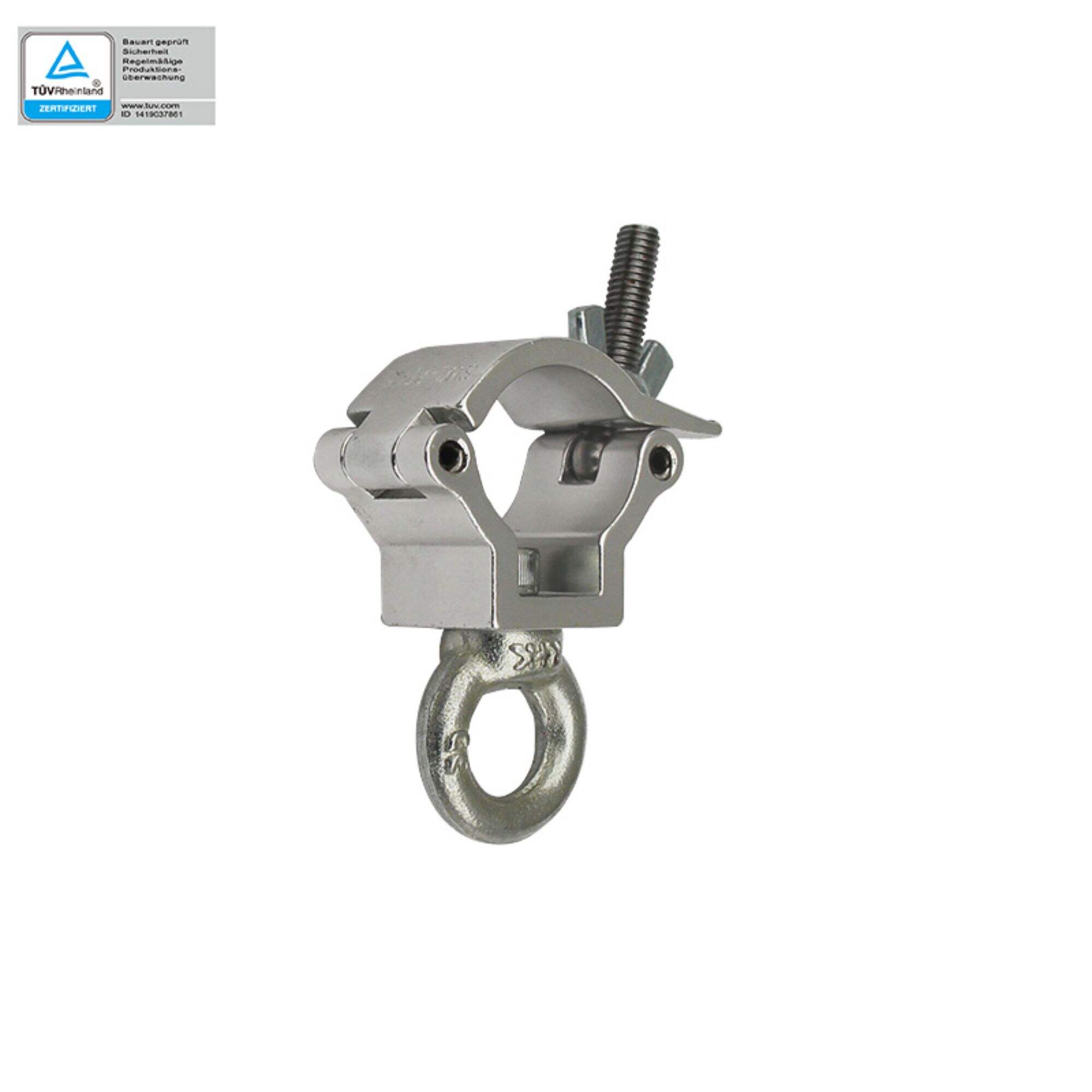
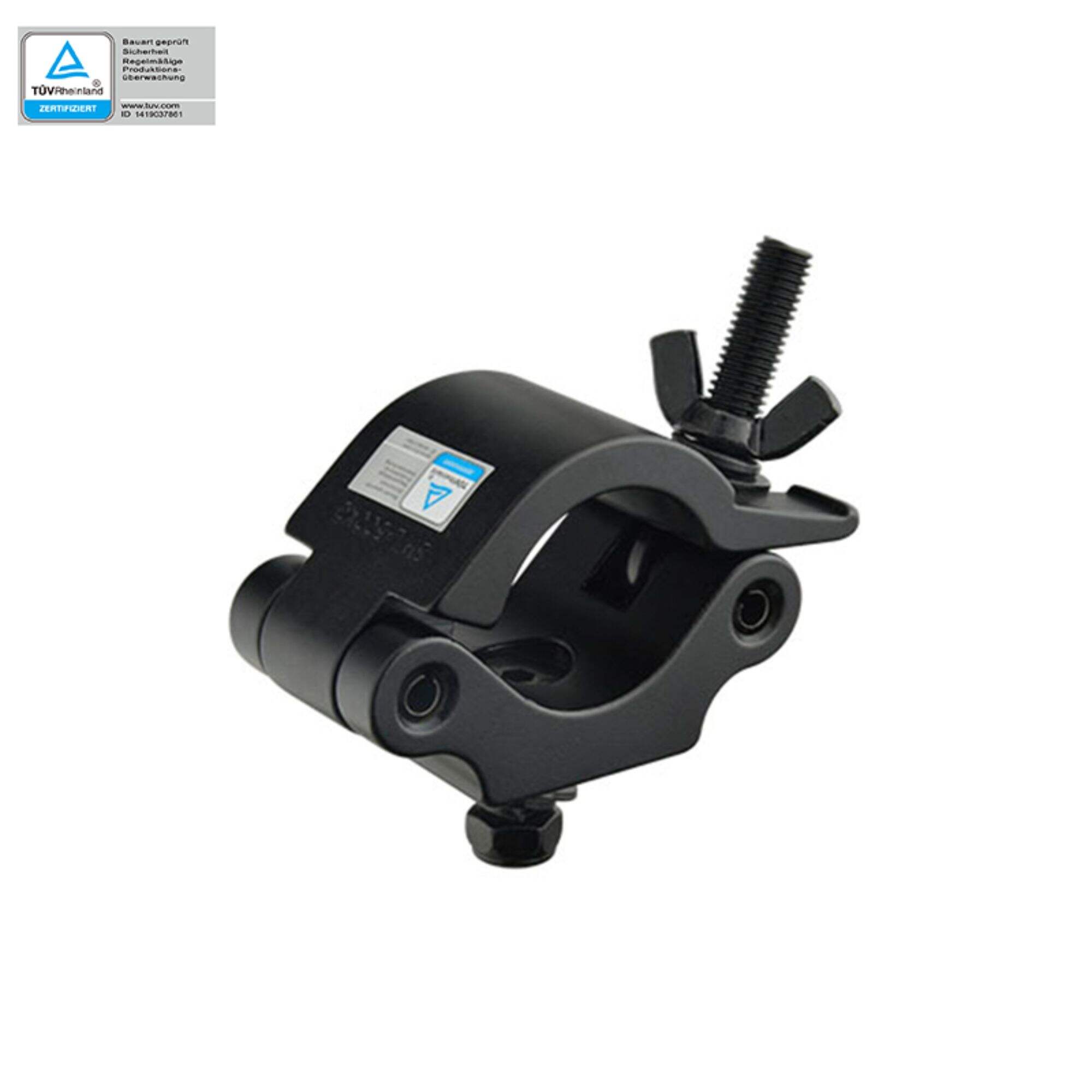
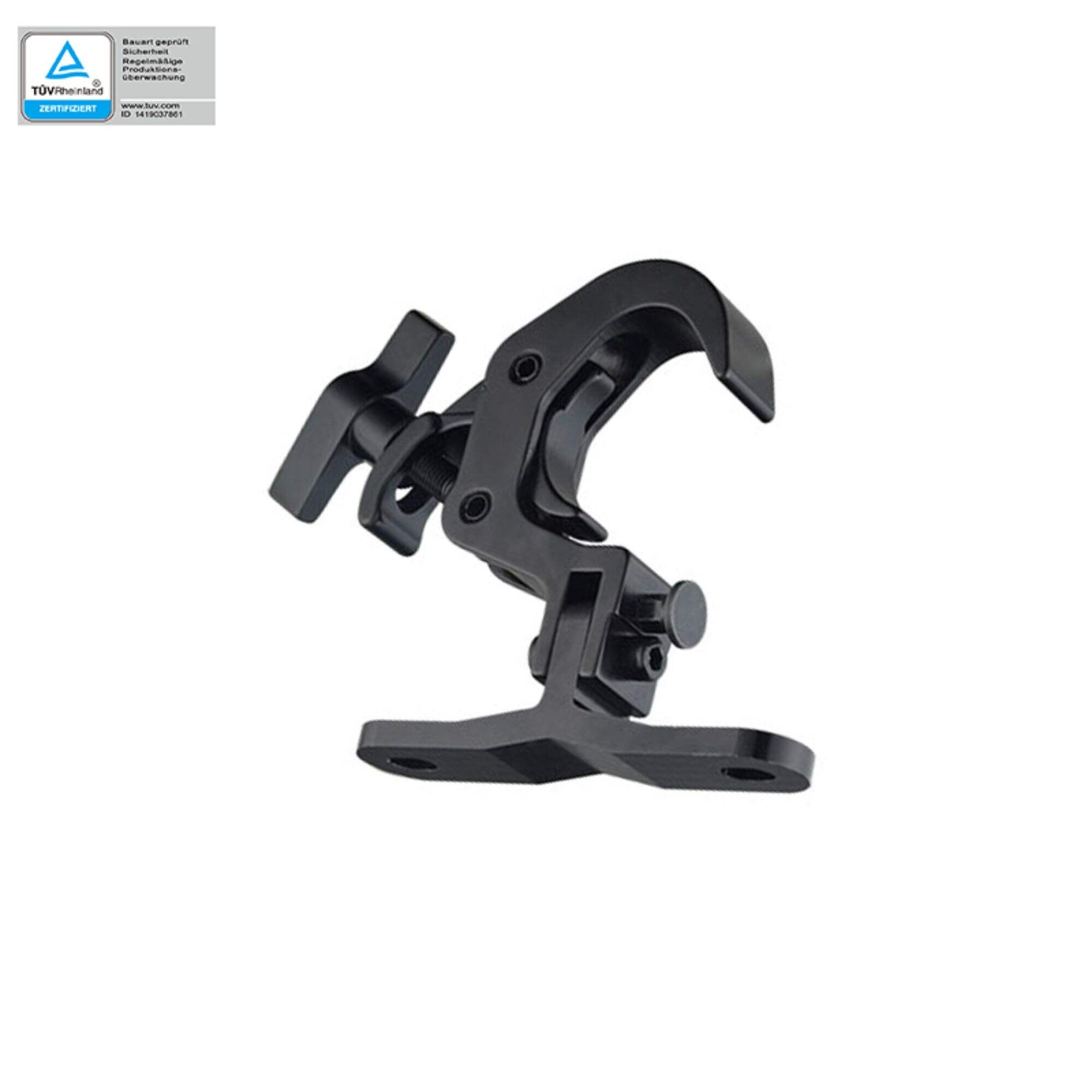
In truss systems, half couplers and swivel clamps each have their own role to play with different features that set them apart. Half couplers work best in situations where things need to stay put, like permanent stage setups. They give solid support because they hold everything firmly in place, which makes them great when alignment needs to be simple and direct. Swivel clamps tell a different story though. These bad boys let technicians make angle changes on the fly, so they're perfect for shows where lighting or rigging might need constant repositioning during performances. The ability to adjust angles means swivel clamps can handle complicated arrangements that would drive someone crazy trying to manage with regular couplers. Anyone who's ever dealt with live events knows how valuable this flexibility really is.
Looking at factors like how long they last, how fast they install, and what they cost, half couplers tend to be cheaper overall since they're simpler both in design and when it comes time to put them in place. Swivel clamps on the other hand usually come with a bigger price tag thanks to all those extra features built into them. But recent trends show more people going for swivel clamps especially in situations where getting angles exactly right matters a lot. Many industrial settings now see these as worth the extra money because they can handle tricky alignments that regular couplers just cant manage without some serious adjustments.
Specialized Options: Concrete Pump Tube Clamps
The right clamp makes all the difference when it comes to concrete pump tubes during construction work. These clamps keep things running smoothly by holding everything together safely under intense pressure conditions on site. Most good quality models come with heavy duty load capacity ratings built in, plus specific ways to install them properly so nothing slips loose while pumping thousands of pounds per hour through those pipes. Contractors know firsthand how much trouble can arise from even small leaks or improper connections, which is why investing in proper clamping solutions isn't just recommended but absolutely necessary for anyone serious about their concrete pouring operations.
These clamps play a critical role in adhering to construction safety guidelines, ensuring that operations are conducted safely and efficiently. According to statistics from construction safety boards, employing concrete pump tube clamps significantly reduces the risk of accidents, proving their invaluable nature in enhancing site safety standards.
Quick-Clamp Systems for Rapid Assembly
Quick-clamp systems offer unparalleled advantages in accelerating project timelines through their ease of use and labor cost efficiency. These systems are designed for swift installation, cutting down on assembly time substantially compared to traditional methods. The simplification in design facilitates quick connections, making them favorable in fast-paced construction environments.
Quick clamp designs come in all sorts of shapes and sizes to fit various truss setups, which makes these systems much more adaptable on site. Contractors working on actual construction sites report significant time savings when using these fast acting clamps instead of traditional methods. For instance, some building crews saw their assembly times cut nearly in half during recent high profile projects with strict completion dates. The real value becomes clear when looking at how much faster workers can put together structures without sacrificing stability. This kind of efficiency matters a lot in the construction business where delays cost money and client satisfaction hangs in the balance.
Material Selection and Durability Factors
Aluminum vs. Steel: Weight vs. Strength
For truss systems, most folks end up choosing between aluminum and steel because of how they balance weight against strength. Aluminum stands out since it's so light, which cuts down on transportation costs and makes installation easier. That's why many companies go with it when they need something that can be moved around regularly or set up quickly at different sites. Steel tells a different story though. It packs way more punch when it comes to strength, making it the go to option for really tough jobs where nothing will budge. What material wins out usually depends on what exactly needs to get done. Contractors we talked to showed pretty clear preferences too. About two thirds pick aluminum mainly because it saves time during assembly. The other quarter sticks with steel, mostly because they know it won't let them down even under extreme conditions.
Corrosion Resistance for Outdoor Applications
When it comes to clamps used in outdoor truss systems, how well they resist corrosion matters a lot because these systems face constant environmental challenges like rainwater and sun damage. Steel components often get treated with galvanization while aluminum parts typically undergo anodization processes. These protective measures help prevent rust from forming and cut down on how often maintenance crews need to inspect and repair the hardware. Most building codes actually require that materials installed outdoors can handle years of exposure without breaking down. The importance of this cannot be overstated for things like concert stages or construction scaffolding that must remain safe and functional despite whatever weather conditions come their way.
Powder Coating and Wear Protection
Clamps and couplers get much more durable when coated with powder. The process creates a tough outer layer that stands up to scratches, regular wear and tear, plus harsh weather conditions over time. What makes it even better? These coatings come in all sorts of colors and textures too, so they look good while lasting long. We're seeing more construction sites opt for powder coated hardware these days because people want something that works well and looks sharp at the same time. Industry data shows these coated parts last around 30 percent longer than regular ones, and workers report being happier with how they perform overall. For anyone working on building projects, getting that combination of strength and style just makes sense in the long run.
Load Capacity and Safety Certifications
Interpreting Weight Ratings for Vertical/Horizontal Loads
Getting the hang of weight ratings for clamps and couplers matters a lot if we want our truss systems to stay safe and work properly. The numbers tell us how much weight each component can actually handle before breaking point. When looking at vertical load capacity, think about what happens when something pushes straight down on the clamp – this affects all sorts of support structures. Horizontal load capacity deals with sideways pressure instead, so it's really important for resisting wind forces. Getting these ratings wrong leads to serious problems down the road. We've seen cases where trusses collapse under strong winds because someone didn't account for proper ratings, or worse still, added extra weight past what was safely supported vertically. One thing folks often mess up? Using a clamp designed for side-to-side forces in situations where downward pressure is the main concern. This kind of mix-up creates unstable structures that pose real risks on job sites everywhere.
TUV/ISO Compliance in Safety-Critical Applications
Getting TUV and ISO certifications matters a lot when it comes to keeping truss systems safe and reliable. What these certifications basically mean is that manufacturers have proven their products meet global safety standards, something that really counts when things go wrong in places where failure isn't an option. To get certified, companies must go through strict tests run by third party inspectors who check if every single component like clamps or connectors can handle the weight and stress they're supposed to manage. Contractors working on big construction sites tend to see fewer accidents and less downtime when they use equipment with these marks on them. Event organizers planning concerts or festivals especially appreciate this because nobody wants stage collapses during performances. Many professionals in the field will tell anyone who'll listen how much easier life gets when dealing with gear that's already been vetted by independent experts instead of guessing whether something might hold together under pressure.
Secondary Locking Mechanisms for Fail-Safe Use
Secondary locking mechanisms really boost safety when working with truss assemblies because they stop parts from coming loose accidentally. If the main fastener fails somehow, these extra locks keep everything together even when things get shaky. There are different kinds out there too - screw locks work great for certain situations while pin and latch systems have their own benefits depending on what needs to be secured. Studies show that adding these secondary locks cuts down on truss failures quite a bit. Take stages or those temporary setups where there's always some vibration going on. Without a backup system in place, whole sections could just pop apart during events. That's why most professionals now consider secondary locks not optional but absolutely necessary for any serious rigging job.
Truss Compatibility and Configuration Needs
Matching Clamp Sizes to Truss Chord Diameters
Getting the right clamp size to match truss chord diameters isn't just good practice it's absolutely necessary for keeping structures stable and safe. When clamps fit properly they grip the trusses without slipping around, which cuts down on chances of collapse during stress tests or unexpected loads. Most engineers will tell anyone who asks about their work that following manufacturer specs matters a lot here. The American Institute of Steel Construction publishes detailed charts showing what size clamp works best with each type of truss profile. Contractors know from experience that mismatched clamps cause all sorts of problems down the road. A clamp that doesn't fit snugly might look okay at first glance but over time will distribute weight unevenly across connections points. Some builders still make basic mistakes like guessing at measurements or grabbing whatever clamp happens to be handy in the toolbox. This kind of shortcut thinking leads to weakened joints and compromised structural integrity. That's why smart construction teams always double check dimensions against blueprints before installation begins. Taking these extra steps saves money in the long run by preventing costly repairs later on.
Adjustability for Square vs. Triangular Truss Profiles
Adjustable clamps capable of handling both square and triangular truss profiles are absolutely essential for modern construction work. When builders have clamps that adapt to different shapes, they save money because they don't need separate tools for each job site. Most good adjustable clamps come with movable jaws and joints that bend and twist to fit whatever shape comes along. On actual construction sites, workers find themselves switching between truss types all the time. One carpenter told me recently that having just one clamp system instead of three different ones cuts down on confusion during rush jobs. These adjustable options really shine when projects face last minute design changes or require quick adjustments mid-construction. At the end of the day, adjustable clamps handle whatever comes their way while keeping costs down and making life easier for everyone involved in the building process.
Multi-Purpose Clamps for Hybrid Systems
Versatile multi purpose clamps work great across different truss systems, so they become really useful tools for construction jobs. The design lets them handle various materials and setups, which saves money when working on projects needing flexibility. Instead of buying several kinds of clamps, companies cut down their costs substantially. When budgets matter most, these all purpose clamps deliver big savings while keeping quality intact. Real world experience shows how helpful they are in mixing different systems together, especially for complicated builds. Take one recent concert hall installation where workers needed constant adjustments due to last minute design changes. Multi purpose clamps made it possible to tweak everything quickly enough to stay on schedule despite the chaos. Beyond just saving cash, these clamps actually improve how smoothly projects run and make adapting to unexpected situations much easier.
Optimizing Workflow with Quick-Clamp Sets
Foldable Designs for Transport Efficiency
The new foldable quick clamp designs are changing how we handle transport and storage problems on construction sites, making things much more efficient overall. When these clamps fold down small, they take up way less room while being moved around, which cuts down on those pesky logistical costs that always seem to balloon out of control. Take a look at what happens when contractors switch to these foldable systems the savings on transportation alone can be massive since crews need either fewer trips or just smaller trucks to get all their gear from point A to point B. And it's not just theory anymore plenty of construction firms have already started using these folding clamps across their operations. What does this mean practically? Smoother logistics flows and projects finishing faster than before because there's simply less hassle involved in moving equipment around job sites.
Tool-Free Operation in Time-Sensitive Setups
Quick clamp systems that work without tools are changing how things get done on construction sites where time matters most. Contractors love these systems because they have those snap fit connections that let workers put together or take apart clamps super fast without digging through toolboxes. A lot of builders report saving hours on jobs just by not having to grab wrenches or screwdrivers all the time. This really adds up when working against tight deadlines. On big commercial projects especially, being able to move equipment around quickly makes a huge difference in meeting schedule targets and keeping clients happy with timely delivery.
Balancing Speed with Load-Bearing Requirements
Getting quick clamp systems right means walking a fine line between how fast things can be assembled and what they can actually hold up in construction work. Safety has to come first obviously, but nobody wants projects delayed either. That's why checking those load limits isn't just something to tick off a list it needs real attention. Most industry guidelines point toward matching clamp specs directly with what the job requires, so structures last longer without slowing down installation too much. Experts who've worked on site know this balancing act depends heavily on knowing exactly what materials will be used day to day. Structural integrity matters for everyone involved not just because regulations say so, but because when clamps fail unexpectedly, nobody wins.
Hot News
-
The Application Scenarios Of Lighting Hooks And Trusses
2023-12-14
-
Market Analysis Of Lighting Hooks And Trusses
2023-12-14
-
The Essence Of Lighting Hooks And Trusses
2023-12-14
-
An In-Depth Look At Lamp Hooks And Truss Products
2023-12-14
-
Light Hooks And Truss Products: A Niche But Vital Industry
2023-12-14