
 EN
EN
 AR
AR
 BG
BG
 HR
HR
 CS
CS
 DA
DA
 NL
NL
 FI
FI
 FR
FR
 DE
DE
 EL
EL
 HI
HI
 IT
IT
 JA
JA
 KO
KO
 NO
NO
 PL
PL
 PT
PT
 RO
RO
 RU
RU
 ES
ES
 SV
SV
 TL
TL
 ID
ID
 LT
LT
 SK
SK
 UK
UK
 VI
VI
 SQ
SQ
 GL
GL
 HU
HU
 TH
TH
 TR
TR
 FA
FA
 MS
MS
 GA
GA
 IS
IS
 MK
MK
 EU
EU
 KA
KA
Base Plates: The Foundation of Stable Truss Installations
Understanding the Role of Base Plates in Truss Stability
How Base Plates Distribute Structural Loads
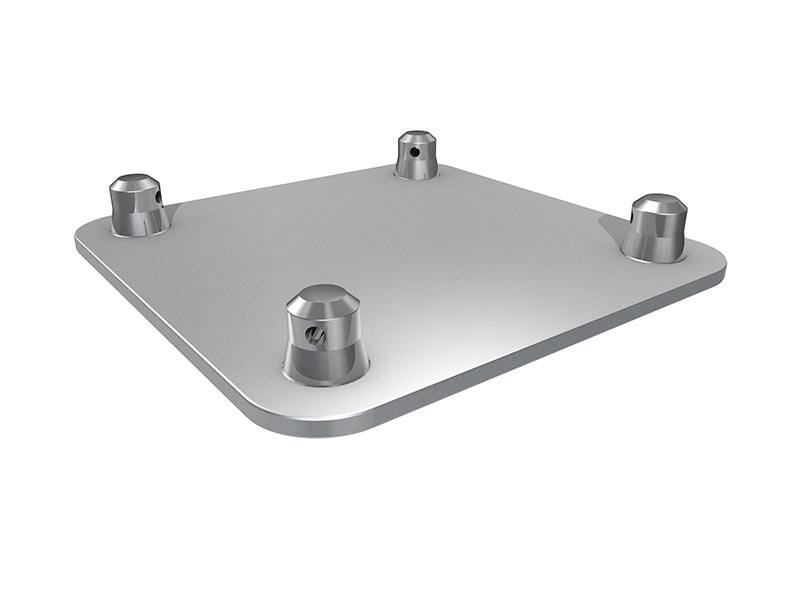
Base plates play a vital role in keeping truss systems stable by moving weight from the actual truss down to the ground surface. They help spread out both vertical weight and sideways forces across the entire support area, which cuts down on stress points that could lead to cracks or breaks in the foundation. When loads are distributed properly, structures last longer without failing unexpectedly. Studies indicate that good load spreading can boost what a structure can hold by around 30 percent, making smart base plate design absolutely essential for safe buildings. The extra strength this provides means engineers can build stronger structures that handle changing weights better, something that matters a lot in places like bridges or industrial facilities where loads constantly shift throughout the day.
Connection Between Plate Column and Truss Integrity
How the base plate connects to the column matters a lot when it comes to keeping truss systems intact. This joint does more than just hold things together; it actually keeps everything aligned properly so nothing shifts out of place. If there's even a small problem at this point, like misalignment or connector failure, it could lead to major structural problems down the road. That's why proper installation really counts. Most engineers suggest going with top grade connectors rather than cheaper alternatives, and following those manufacturer specs exactly as written. These steps aren't just good practice they're absolutely necessary for truss work in places like industrial warehouses or large commercial buildings where a single failure might endanger lives or cause millions in damage.
Aluminum vs. Steel Base Plates: Material Considerations
Weight Advantages of Aluminum Plates
Aluminum plates weigh way less than steel ones, which makes them much easier to handle during installation. Some tests show they can cut weight by about half compared to steel equivalents, so this matters a lot when moving things around or setting stuff up quickly. Construction crews working on event stages or temporary buildings really appreciate this benefit since time is money on site. Steel just cant compete here because aluminum lets designers build with lighter supports while still keeping everything solid and stable. Contractors often tell me they save hours on projects simply by switching materials.
Durability and Corrosion Resistance Comparison
Looking at how durable materials are, aluminum stands out because it naturally resists corrosion thanks to this protective oxide layer on its surface. Steel just doesn't compare since it needs extra coatings applied separately. What's really impressive about aluminum is that it can stick around for more than half a century outdoors without showing much wear and tear. Steel meanwhile tends to start rusting pretty quickly, maybe within ten to fifteen years unless someone keeps applying those protective treatments regularly. For places with tough weather conditions or varying climates, this kind of lasting power means aluminum becomes the better option for sustainability purposes. Construction projects in coastal areas have definitely benefited from switching to aluminum components that hold up against salt air and moisture far better than traditional steel alternatives ever could.
Why Aluminum Outperforms Steel for Freestanding Structures
When looking at materials for freestanding structures that need to withstand wind and weather, aluminum stands out because it's lightweight yet strong and won't rust over time. Studies show aluminum structures have about 40 percent less chance of failing in strong winds than similar steel ones. For things like trade show booths or pop-up kiosks outside, this matters a lot since these setups often get put together and taken down multiple times. The material needs to hold up through all that handling while still being safe. Switching to aluminum means companies get something that bends but doesn't break when needed, making their temporary builds both practical and durable enough for repeated use.
Key Specifications for Truss Base Plate Selection
Standard Sizes: 6â to 24â Width Options
Picking out truss base plates means looking at those standard sizes between 6 and 24 inches first. These dimensions cover pretty much any truss design someone might throw at them, so whatever structure gets built will match what the project actually needs. The width selection isn't just about picking numbers off a chart though. People need to think about how weight spreads across the structure and whether everything fits together properly with whatever truss system they're working with. Most building codes suggest making sure the base plate is about a third as wide as the beam itself. Following this rule helps spread the weight better throughout the whole structure, which keeps things stable and safe in the long run.
Load Capacity Requirements for Different Applications
When picking out base plates, load capacity matters a lot because it affects how safe and effective the whole setup will be. For temporary displays at trade shows or long term installations, checking if the base plates can handle what they need to carry is really important. People often forget about doing proper math here and just going by guesswork. Most companies provide detailed specs about their products' load limits, but smart installers always double check these numbers against what actually needs to be supported in practice. A good rule of thumb is to look beyond the manufacturer's claims and make sure everything matches up with real world conditions where the base plates will do their job day after day.
Custom Fabrication for Oversized Truss Configurations
When projects need base plates bigger than what comes standard, custom fabrication becomes the answer to those special requirements. These made-to-order base plates handle both size and weight issues pretty well, which helps keep big truss setups stable during installation. Getting engineers involved early in designing something custom makes all the difference for keeping things structurally sound without cutting corners on safety. The whole point of going this route is that it works around whatever strange structural challenges come up, plus it generally performs better too. That's why so many contractors turn to custom solutions when dealing with non-standard construction specs.
Installation Best Practices for Base Plate Systems
Proper Bolt and Screw Fastening Techniques
Getting the fastening right makes all the difference when it comes to holding base plates securely against columns, something that has a direct impact on how stable the whole truss system remains. When installing these components, following torque specs exactly as specified matters a lot. Skip this step or get it wrong, and we've seen cases where bolts start coming loose over time, putting serious stress on what should be a solid connection point. Some field tests show that when people don't fasten things properly, base plates lose around 20% of their ability to handle weight loads. That's why proper technique isn't just good practice but essential knowledge for anyone working with structures that need to last through years of use without failing unexpectedly.
Surface Preparation and Leveling Considerations
Getting the surfaces right under those base plates matters a lot when it comes to avoiding problems down the road. When things aren't level, we end up creating stress spots that just wear out materials faster than they should. Bad prep work leads to uneven weight distribution across the foundation, something that slowly builds up until eventually there's a structural issue. Most professionals these days swear by laser leveling equipment for this job. They offer real accuracy and help create that flat, stable platform needed for proper installation. Taking time to get this part right isn't just about following rules book - it actually extends how long structures last and keeps them performing well year after year.
Stability Enhancements for Outdoor/Event Use
When setting things up outside, environmental factors always play a role, so making sure everything stays stable is really important. Extra support comes in many forms these days – think braces, anchors, whatever works against Mother Nature's tricks like strong winds or tricky terrain. Studies show proper anchoring of base plates makes all the difference. These plates fight off sideways forces pretty well, cutting down on accidents where something might tip over during storms or sudden gusts. Safety plans need to account for worst case scenarios too. Most experienced installers build in backup measures just in case the forecast goes haywire, because nobody wants their setup collapsing when no one expects it.
Applications in Exhibition and Architectural Truss Systems
Supporting Archways and Entrance Structures
Base plates are really important for holding up archways and entrance structures, particularly at big exhibitions and event venues. These spots deal with all sorts of weight from people walking around and equipment being moved, which makes stability absolutely essential. When base plates are installed correctly, they help keep things safe while making the entrance look better too. We've seen this work well at several trade shows recently where proper base plate installation made a noticeable difference in both safety and visual appeal. Since many of these structures act as main attractions themselves, getting them stable isn't just good engineering practice it actually improves how visitors feel about the whole event experience because they can walk through securely without worrying about wobbly entrances.
Integration with Display Truss for Trade Shows
When trade show displays combine base plates with their truss structures, they tend to stand out for two main reasons stability and looking good at the same time. Many exhibitors report better crowd interaction when their stands feature solid truss systems with properly installed base plates. People just seem drawn to displays that look put together right from the ground up. Getting the materials right matters a lot here. Steel versus aluminum choices make a real difference in how professional everything appears. And let's face it, nobody wants their display collapsing during peak hours when hundreds of visitors are passing by. The best setups strike that balance between eye-catching design and rock solid construction that holds up through all the foot traffic.
Special Requirements for Finish Line Kits
Setting up finish lines at races and other events usually requires custom made base plates that can handle serious weight. When designers really get how all those forces work during actual events, they create plates that not only stay safe but also look good enough to pass inspection. Event coordinators who have worked with proper base plates report cutting down on setup time by almost half, which makes a huge difference when dealing with tight schedules. Getting the details right about finish line components means structures won't buckle under stress, keeping everything looking sharp and functioning properly throughout the whole event experience.
Hot News
-
The Application Scenarios Of Lighting Hooks And Trusses
2023-12-14
-
Market Analysis Of Lighting Hooks And Trusses
2023-12-14
-
The Essence Of Lighting Hooks And Trusses
2023-12-14
-
An In-Depth Look At Lamp Hooks And Truss Products
2023-12-14
-
Light Hooks And Truss Products: A Niche But Vital Industry
2023-12-14