 EN
EN
 AR
AR
 BG
BG
 HR
HR
 CS
CS
 DA
DA
 NL
NL
 FI
FI
 FR
FR
 DE
DE
 EL
EL
 HI
HI
 IT
IT
 JA
JA
 KO
KO
 NO
NO
 PL
PL
 PT
PT
 RO
RO
 RU
RU
 ES
ES
 SV
SV
 TL
TL
 ID
ID
 LT
LT
 SK
SK
 UK
UK
 VI
VI
 SQ
SQ
 GL
GL
 HU
HU
 TH
TH
 TR
TR
 FA
FA
 MS
MS
 GA
GA
 IS
IS
 MK
MK
 EU
EU
 KA
KA
12 Years of Ingenuity! Changjianshun Technology, a Bright Pearl in the Stage Truss Field
Evolution of Stage Truss Systems: Changjianshun's 12-Year Journey
Pioneering Milestones in Aluminum Truss Development
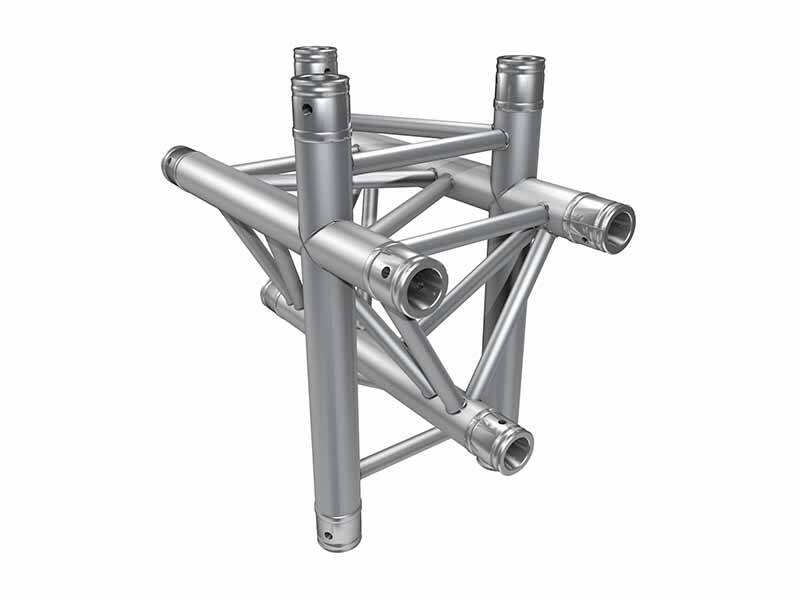
In the last dozen years or so, the aluminum truss business has seen some pretty big changes, most notably driven by companies like Changjianshun. When they first brought out those lighter weight aluminum trusses back around 2012, it was kind of a game changer for event organizers everywhere. These new trusses were much easier to move around between locations and set up at different venues without needing massive crews. The real benefit came from how much faster things could be assembled now, cutting down on both money spent on labor and the actual time required to get everything ready before an event starts. Working with other industry players helped push things even further forward, especially when it comes to making sure everyone stays safe during installations and being able to scale operations up or down as needed. We've even started seeing some pretty cool tech additions lately, like those motorized truss systems that automatically adjust themselves based on what kind of show is happening above them.
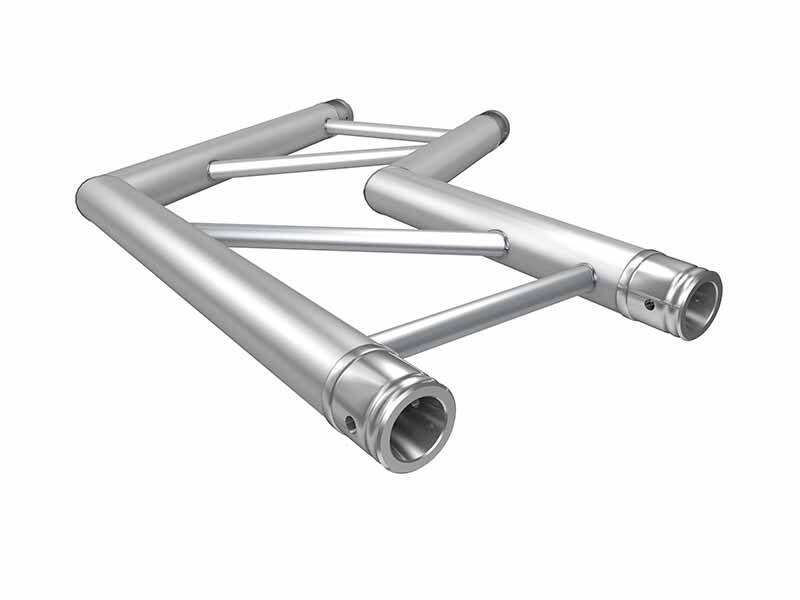
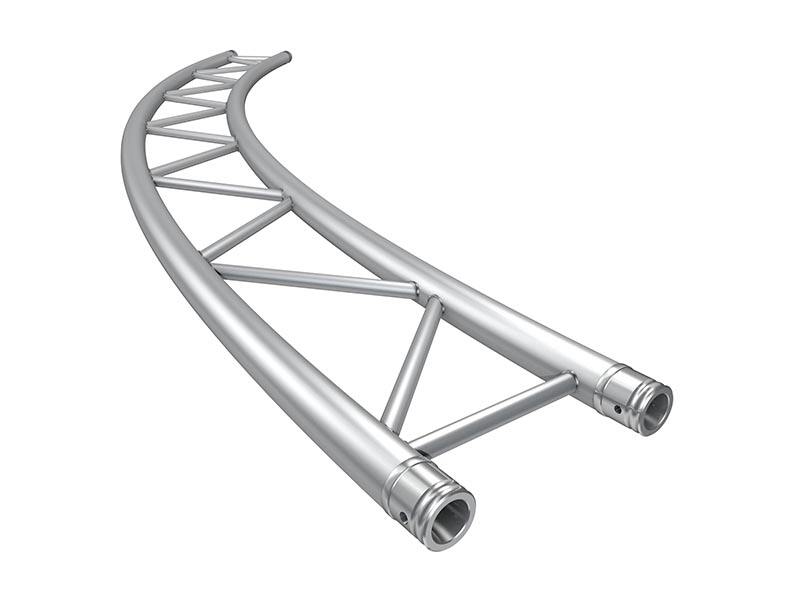
Market expansion driven by new tech in aluminum truss design deserves attention. Industry data shows that these improvements have pushed the compound annual growth rate (CAGR) upward across global events and stage productions worldwide. As venues increasingly adopt aluminum truss systems, we've seen standardization happen naturally for safety parts like base plates and those crucial safety cables that keep everything rigged securely no matter where they're set up. Looking at how things have evolved, it's clear that companies like Changjianshun have been instrumental in pushing forward stage truss tech during this ten year period. Their work stands out because they combine smart engineering with practical solutions that actually get used on real stages every night.
Adapting to Global Event Industry Demands
Changjianshun keeps up with how the event world is changing by offering truss systems that can be tailored for different situations. With so many companies turning to live streams and online events these days, there's definitely been a need for stages that can adapt quickly. The company listens closely to what clients actually want and tweaks their products accordingly over time. Their approach works well across the board whether it's putting together something simple for a business meeting or building massive structures for rock concerts where flexibility matters most.
We are seeing more international exhibitions and festivals happening around the world lately, which has created a real need for truss systems that can scale up or down quickly. The aluminum trusses made by Changjianshun work especially well here because they offer both customization options and portability features that make them perfect for events where requirements change almost daily. What sets this company apart is how seriously they take current market directions. They've started using greener materials in their production processes and developed modular truss systems that clients love for their flexibility. These kinds of moves show that Changjianshun isn't just keeping pace with what others are doing but actually staying ahead of the curve when it comes to meeting evolving demands in the stage construction business.
Aluminum Truss Innovations: Lightweight Durability Redefined
The Transition from Steel to High-Strength Alloys
Stage builders are increasingly moving away from old school steel trusses toward lighter aluminum frames and advanced alloy materials. Why? Well, aluminum just doesn't rust like steel does, plus it weighs way less, cutting down on shipping expenses and making setup much simpler for crews. Material scientists note something else too: aluminum holds up against weather damage better than steel while still offering great strength relative to its weight. The game really changed when manufacturers started working with special high-strength alloys. These new materials can handle much heavier loads without breaking, opening up all sorts of possibilities for creative stage setups that would be impossible with traditional steel structures.
Research into these new alloy materials shows they can boost load capacity around 30 percent according to several industry reports. This means engineers can build bigger structures without putting safety at risk. Stage designers are really benefiting from this progress too. Venues everywhere are seeing changes in how stages get built now. They can experiment with wilder designs without breaking the budget for logistics. Aluminum trusses look amazing but also hold up well under stress. Plus, companies save money on overhead costs when using them. That's why so many event planners prefer working with aluminum these days, especially for festivals or conferences where crews need to set up and tear down multiple times throughout the week.
Modular Base Plate Systems for Rapid Assembly
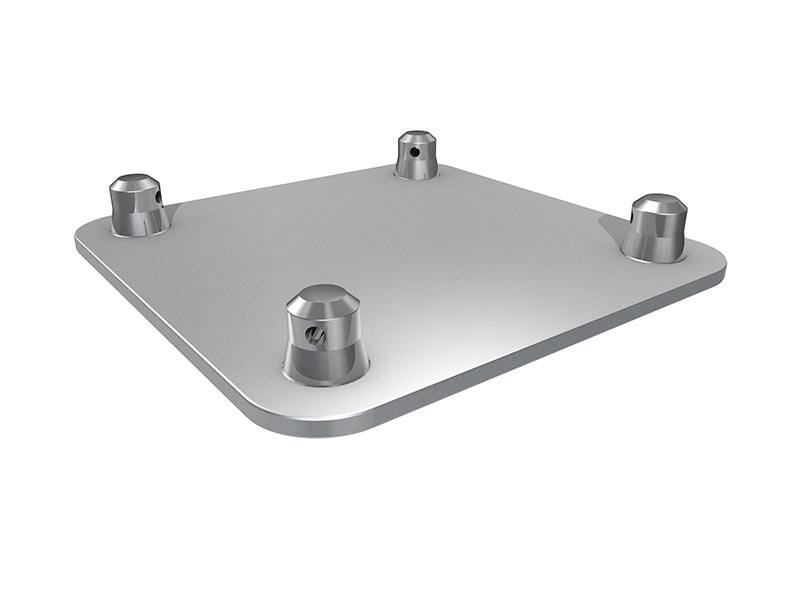
The modular base plate system has really changed how people put together and take apart trusses, something event planners rely on when they need things set up fast and strong. What makes these systems special is their ability to speed up the whole process while still keeping everything secure, especially important during those chaotic concert setups or big live shows where time is money. Take one music festival last summer as an example they saved almost half the time normally spent on assembly thanks to these plates. That extra time meant staff could actually get around to other pressing matters instead of being stuck with rigging all day long.
People who've used these modular systems generally love them, especially because they're so easy to handle and save tons of time during setup. Event planners tell us all the time how these systems let them stick to their schedules while still keeping things safe and looking good. The industry seems to be moving toward modular options more and more, mainly because they work well across different scenarios. For events where crews need to put stuff up and take it down repeatedly, these systems really shine. Companies like Changjianshun keep coming out with better stage truss designs that actually solve real problems instead of just adding features nobody needs.
Safety First: Advanced Engineering in Load Distribution
Safety Cable Integration for Dynamic Load Management
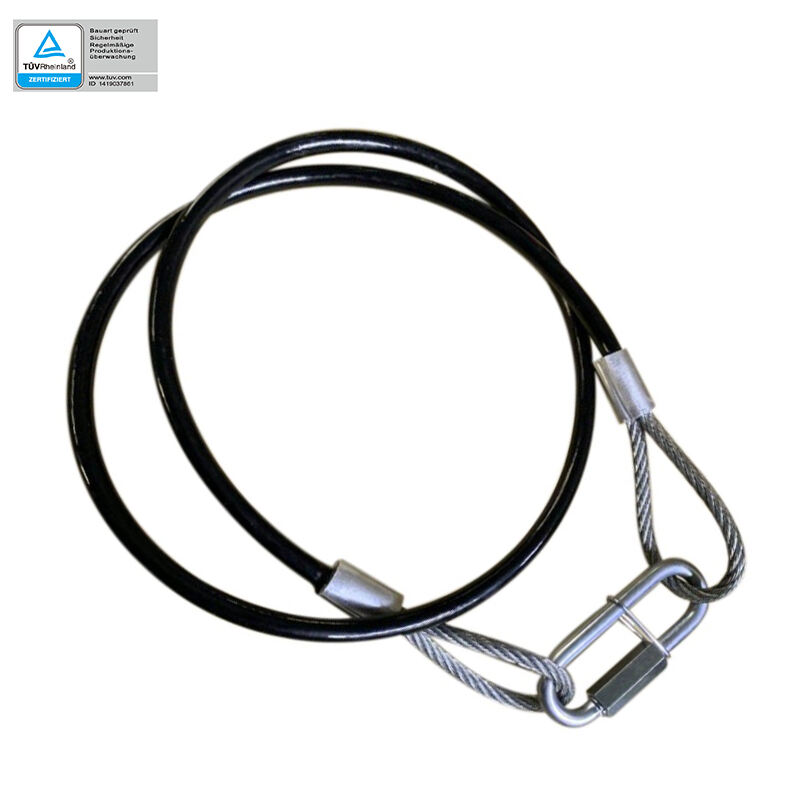
When setting up events, integrating safety cables is really important for handling those unpredictable loads while keeping everything stable and safe. At shows where lights and sound gear get moved around all the time, these safety cables help spread out the forces and cut down on possible hazards. The way they work? Basically, they soak up stress from heavy loads and then redistribute it so nothing suddenly breaks or falls apart, making truss systems much stronger overall. Engineers rely on stuff like calculating tension and compression forces when putting these cables in place, matching them exactly to what different parts of the stage need in terms of weight distribution. Industry stats show that better safety cable systems have actually reduced accident rates at events globally, which speaks volumes about how effective they really are in practice.
Rigorous Stress-Testing Protocols
Stress testing is really important when it comes to checking how durable and safe aluminum truss systems actually are. The process involves all sorts of methods to put these trusses through their paces and get them certified for different environments and weight loads. Tests simulate things like strong winds blowing against the structure, sideways forces pushing on it, and sudden impacts that might happen during events. These kinds of tests help make sure the trusses won't fail even in tough situations. Groups focused on safety have set strict rules for this kind of testing, including standards from places like Eurocode and ANSI. Following these guidelines helps manufacturers know their products can handle serious jobs on stages and other venues where structural integrity matters most. This attention to detail has actually helped push forward improvements in stage truss design over recent years.
Integrated Lighting Solutions: Clamp-On Technology in Modern Truss Design
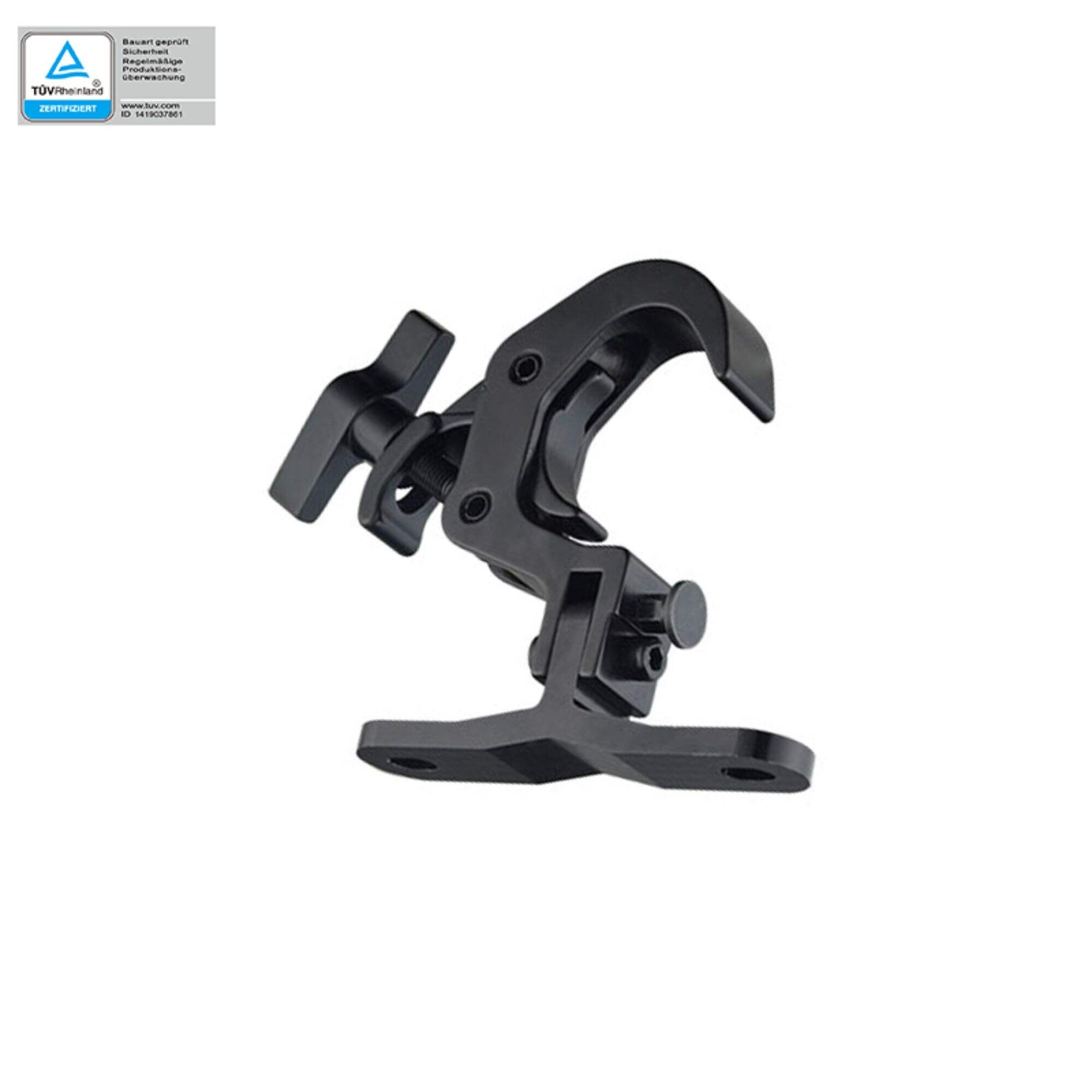
Clamp-On Lighting Systems for Versatile Configurations
Clamp on lighting systems are changing the game for stage design because they offer so many different ways to set things up. With these systems, lighting crews can tweak their setups fast when events have special needs, which means shows look way more dynamic than before. Traditional lighting setups were pretty fixed once installed, but clamp ons give much more flexibility. That's why they work great at venues where lighting requirements change from one show to the next. Many lighting pros swear by them. Take Chris Kuroda for example he's worked with some big names in music and says clamp on systems make his job easier. According to him, these lights let designers plan and adjust visuals on the fly during live performances something that wasn't possible with older equipment.
For more details on these systems, see Clamp-On Lighting Systems.
Optimizing Lighting Clamp Ergonomics
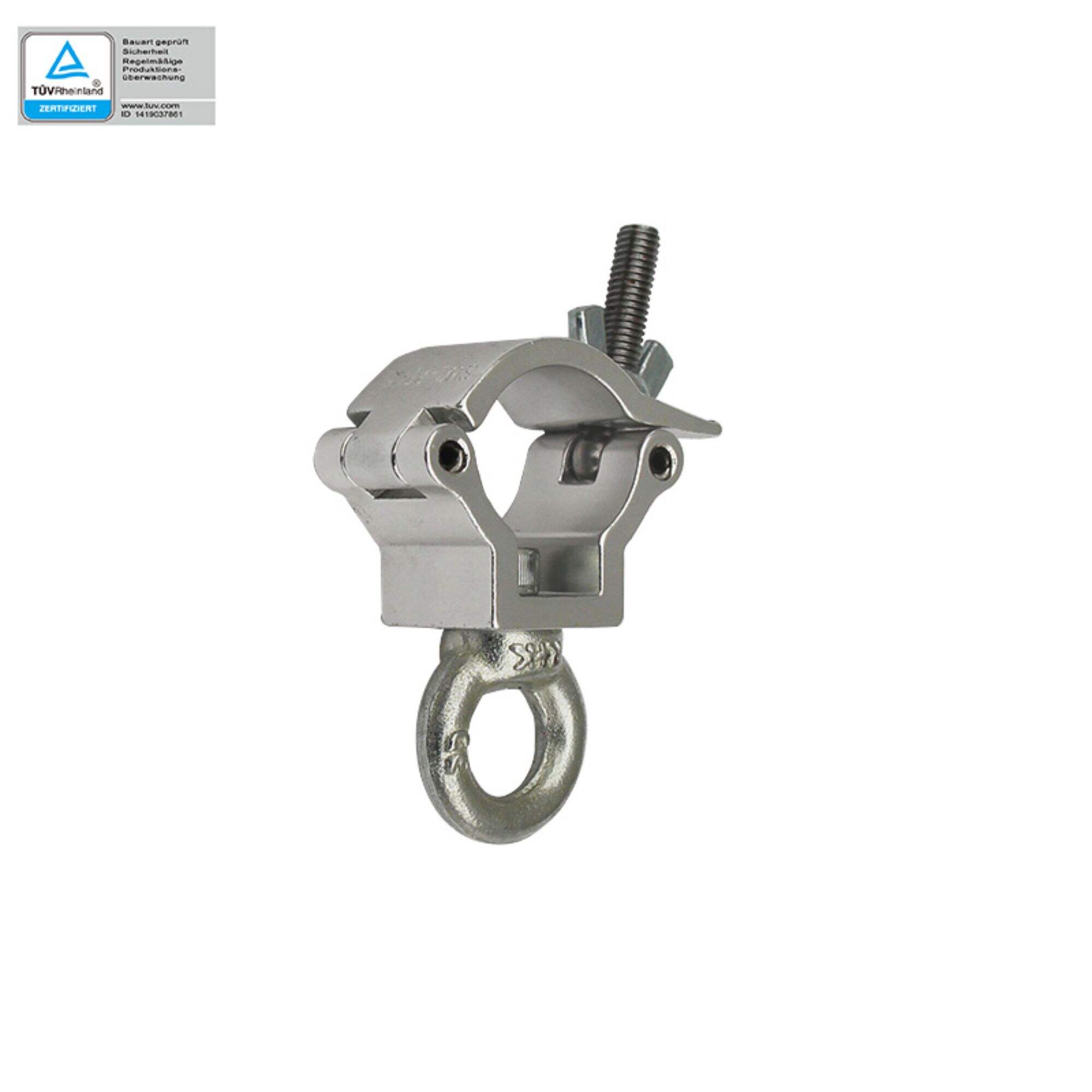
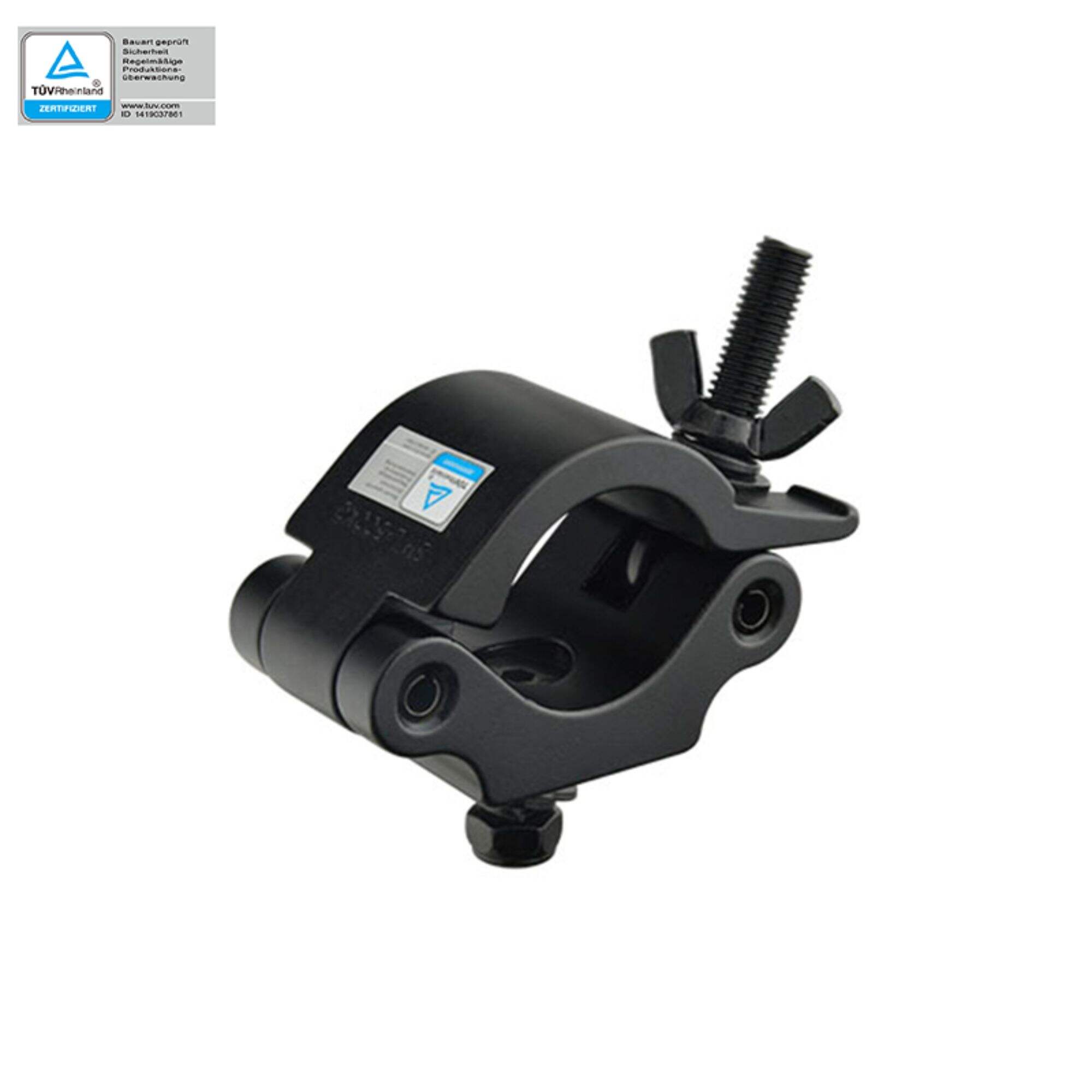
How lighting clamps are designed ergonomically really matters when it comes to making them easy to handle and keeping people safe while setting up events. Recent changes in how these clamps are made have centered around making them friendlier for users. This makes installation go smoother and cuts down on accident risks too. People working in the field have noticed these improvements firsthand. Techs who work with lights all day say they spend way less time getting everything ready now thanks to better clamp designs that make things easier to grab and adjust without sacrificing safety standards. Alongside other upgrades in stage truss tech, these ergonomic improvements keep bringing real value to professionals working with stage lighting every day, meeting their constant demand for faster setups and dependable equipment performance.
For more information about innovative lighting clamp designs, see Lighting Clamp Design.
The Future of Stage Infrastructure: Smart Truss Systems & Modular Concepts
AI-Driven Load Monitoring for Predictive Safety
The safety game for stage truss systems is getting a major boost from AI tech that spots problems before they happen. These smart load monitoring systems keep tabs on stress levels and weight distribution across truss structures as events unfold, giving technicians early warnings when something looks off. What makes this so valuable? Well, it stops disasters mid-show while saving crews time and headaches down the line. Real world tests back this up pretty strongly. Take those big summer concerts last year where venues started using AI monitoring tools. Event managers reported around 40% fewer truss collapse incidents compared to previous years. Makes sense really - catching issues early means less panic and safer performances overall.
According to recent numbers from the Event Safety Alliance, there's been a real drop in accidents since venues started using predictive monitoring systems. This shows just how valuable AI has become in today's stage productions. The live events world keeps changing fast, and many producers are now turning to AI solutions for load monitoring. These tools help balance out wild stage designs with actual safety requirements. While some purists worry technology might dull the creative spark, most agree it actually allows for bolder concepts without compromising on safety. The industry is definitely moving toward higher safety benchmarks than ever before, creating safer spaces both for artists on stage and fans watching from the audience.
Collapsible Aluminum Truss for Transport Efficiency
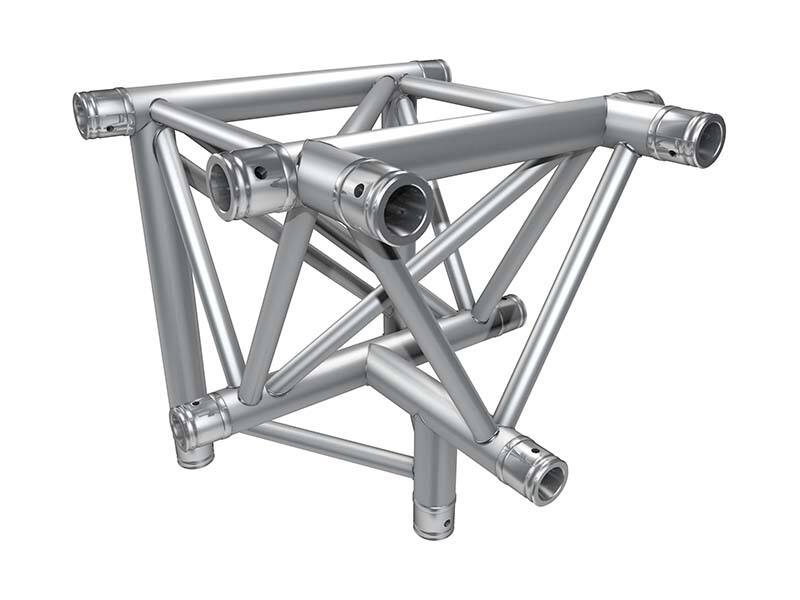
The new wave of collapsible aluminum truss systems is changing how events get organized, mainly because they cut down on both what needs to be hauled around and how much manpower is required. These trusses are built with modularity in mind so event crews can fold them up pretty quickly, which means way less space takes up in trucks or storage facilities. Event planners love this feature especially when setting up shows at different venues week after week, think music tours where time between cities is tight. Some folks in the business claim transportation expenses dropped somewhere around 30% once they switched to these collapsible options, though actual savings might vary depending on location and size of operation.
When it comes to logistics, these modular systems make handling and installation much simpler. They cut down on physical work needed and speed up the whole event setup time. Many people who've used them tell stories about how much smoother things run with these systems in place. Instead of wrestling with logistics all day, they can actually spend time making sure the event goes well. The collapsible truss tech saves money too without compromising strength requirements for those complicated stage setups. These systems represent real progress in stage truss design and will likely become standard practice for anyone serious about efficient event management going forward.
Hot News
-
The Application Scenarios Of Lighting Hooks And Trusses
2023-12-14
-
Market Analysis Of Lighting Hooks And Trusses
2023-12-14
-
The Essence Of Lighting Hooks And Trusses
2023-12-14
-
An In-Depth Look At Lamp Hooks And Truss Products
2023-12-14
-
Light Hooks And Truss Products: A Niche But Vital Industry
2023-12-14